




Understanding LVP Flooring
What is LVP Flooring?
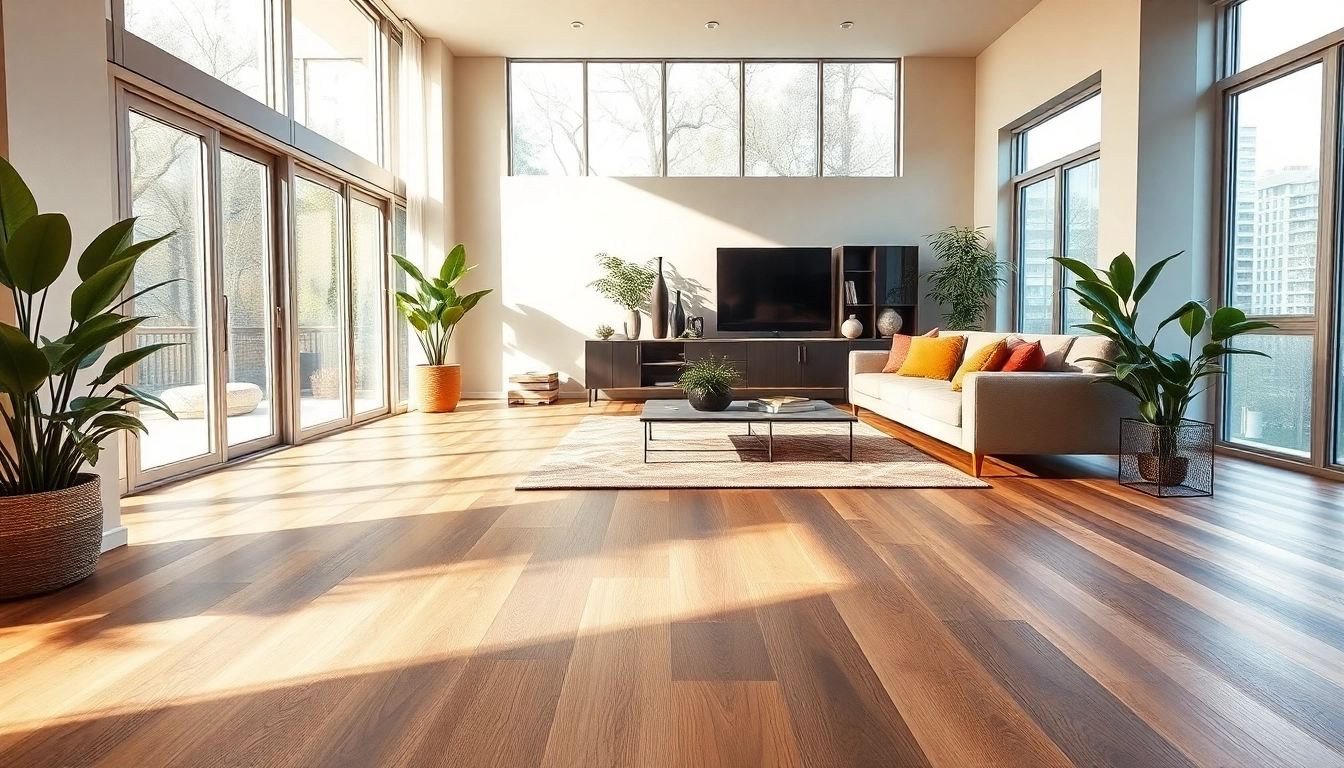
LVP flooring, or Luxury Vinyl Plank flooring, is an innovative and versatile flooring solution designed to mimic the appearance of natural wood or stone. It is composed of multiple layers, including a protective wear layer, a printed vinyl layer, and a backing layer, which collectively contribute to its resilience and aesthetic appeal. This flooring option has garnered popularity among homeowners and business owners alike due to its affordability, durability, and extensive design options. For those interested in upgrading their spaces with lvp flooring, understanding its unique characteristics and benefits is essential.
Key Benefits of LVP Flooring
The benefits of LVP flooring extend beyond aesthetics. Here are some of the most notable advantages:
- Durability: LVP is highly resistant to scratches, dents, and stains, making it ideal for high-traffic areas.
- Water Resistance: Many LVP planks are waterproof, allowing them to withstand spills and moisture without warping or damage.
- Ease of Maintenance: Cleaning LVP flooring is a breeze, requiring only regular sweeping and occasional mopping.
- Variety of Designs: LVP comes in a wide range of colors, patterns, and textures, providing endless design options for any home or office.
- Comfort and Noise Reduction: The composition of LVP flooring often provides a softer feel underfoot compared to traditional hard surfaces and can help to absorb sound.
LVP Flooring vs. Traditional Flooring Options
When comparing LVP flooring to traditional flooring options, such as hardwood or tile, several factors come into play:
- Cost: LVP flooring typically offers a more budget-friendly alternative to hardwood without sacrificing style.
- Installation Time: LVP can often be installed more quickly and easily than traditional flooring, especially with floating options available.
- Environmental Impact: LVP is generally made from synthetic materials, while hardwood floors require the harvesting of trees, raising sustainability concerns.
- Maintenance Requirements: LVP needs less specialized care than hardwood, which may require refinishing over time.
Choosing the Right LVP Flooring
Factors to Consider When Selecting LVP Flooring
Selecting the right LVP flooring involves several critical factors. Here are key considerations to keep in mind:
- Room Purpose: Consider where the flooring will be installed. Different planks are suited for kitchens, bathrooms, and living areas.
- Style and Color Scheme: Choose a design that complements your existing decor while aligning with your personal style.
- Texture: Some LVP options mimic the texture of real wood or stone, while others may have a smoother finish. Assess where and how the flooring will be used for the best fit.
- Warranty Coverage: Always look for warranties that provide adequate protection against defects and wear.
Styles and Designs Available for LVP Flooring
The diversity in styles and designs available in LVP flooring can satisfy any aesthetic preference. Popular options include wood-look, tile-look, and even cork-like patterns. Recent trends have seen a rise in realistic textures and finishes that closely resemble natural materials. The key styles to consider include:
- Traditional Wood Looks: Available in various species, these designs mimic the grains and knots of real wood.
- Modern Stone Looks: Ideal for a more contemporary look, stone designs offer elegance and sophistication.
- Exotic Variations: Unique patterns inspired by various cultural designs are gaining traction in modern spaces.
Understanding LVP Flooring Thickness and Durability
The thickness of LVP flooring is crucial when considering its durability and suitability for specific environments. LVP usually ranges from 2mm to 8mm, with thicker planks generally providing better stability and sound insulation. Here’s a breakdown:
- 2mm to 3mm: Best for residential applications but may require underlayment.
- 4mm to 5mm: A good balance of durability and cost for both residential and light commercial use.
- 6mm to 8mm: Recommended for high-traffic commercial spaces due to their superior wear-layer and impact resistance.
Installation of LVP Flooring
Preparation Steps for LVP Flooring Installation
Proper preparation is vital to successful LVP flooring installation. Key steps include:
- Acclimation: Allow LVP planks to acclimate in the installation area for 48 hours.
- Subfloor Assessment: Ensure the subfloor is clean, dry, and level to prevent future issues.
- Moisture Testing: Check for moisture levels in the subfloor, especially when working in basements or on concrete.
- Transition Strips: Plan where transitions between different flooring types will occur to ensure aesthetic flow.
DIY vs. Professional Installation of LVP Flooring
Deciding between DIY installation and hiring a professional can significantly impact the project timeline and overall results:
- DIY Pros: Lower costs, control over installation pace, and the satisfaction of personal effort.
- DIY Cons: The potential for mistakes, physical strain, and lack of professional finish.
- Professional Pros: Expertise ensures installation is done right the first time, often quicker than DIY.
- Professional Cons: Higher costs and less personal involvement in the project.
Common Mistakes in Installing LVP Flooring
Avoiding common installation mistakes can save time and money. Here’s what to watch out for:
- Ignoring Subfloor Preparation: A poorly prepared subfloor can lead to a range of issues down the line.
- Neglecting Expansion Gaps: Not leaving gaps around walls and fixed objects can cause buckling.
- Incorrect Alignment: Failing to follow a consistent installation pattern can affect the flooring’s final look.
- Skipping the Underlayment: Not using an appropriate underlayment can lead to reduced comfort and insulation.
Maintaining Your LVP Flooring
Best Practices for Cleaning LVP Flooring
Maintaining LVP flooring is straightforward and involves simple daily, weekly, and monthly practices:
- Daily Cleaning: Sweep or vacuum regularly to keep dirt and debris from scratching the surface.
- Weekly Cleaning: Mop with a mild cleaner suitable for vinyl flooring to remove spills and stains.
- Monthly Cleaning: Inspect for signs of wear and perform deep cleaning as needed.
Dealing with Scratches and Damage on LVP Flooring
While LVP is durable, it isn’t impervious to damage. Here are some solutions:
- Minor Scratches: Use a vinyl repair kit or color-matched marker for small surface scratches.
- Significant Damage: Replace planks that are heavily damaged; most LVP is designed for easy replacement.
- Preventative Measures: Use furniture pads, and avoid dragging heavy items across the floor.
Longevity Tips for Maintaining LVP Flooring
For prolonged life and performance of LVP flooring, consider these tips:
- Control Humidity: Maintain optimal humidity levels to prevent expansion and contraction.
- Avoid Harsh Chemicals: Use cleaning products specifically designed for vinyl to prevent damage.
- Regular Inspections: Check for any signs of wear and address them promptly to avoid further damage.
Frequently Asked Questions about LVP Flooring
What is the cost of LVP flooring installation?
The cost of LVP flooring installation varies based on brand, thickness, and installation complexity but typically ranges from $2 to $7 per square foot including materials and labor.
Can lvp flooring be installed over existing floors?
Yes, LVP flooring can often be installed over existing floors, provided those floors are level, clean, and dry, but the type of existing flooring may affect this.
Is lvp flooring water-resistant?
Most LVP flooring products are highly water-resistant, making them suitable for kitchens, bathrooms, and even some basements, though it’s best to check specific product details.
How long does lvp flooring typically last?
With proper care and maintenance, LVP flooring typically lasts between 10 to 25 years, depending on quality, thickness, and the intensity of usage.
Can I use lvp flooring in high-traffic areas?
Yes, LVP flooring is particularly well-suited for high-traffic areas due to its durability and resistance to scratches and wear, making it a favorite for homes and commercial spaces alike.



More Stories
Maximizarea profitului cu banda LED în 2026: Ghid complet pentru cumpărători
Overlooked Kitchen Faucets Risks Every Homeowner Should Know – Essential Insights for 2026
Choosing the Perfect Steel Sink: Key Features and Benefits