





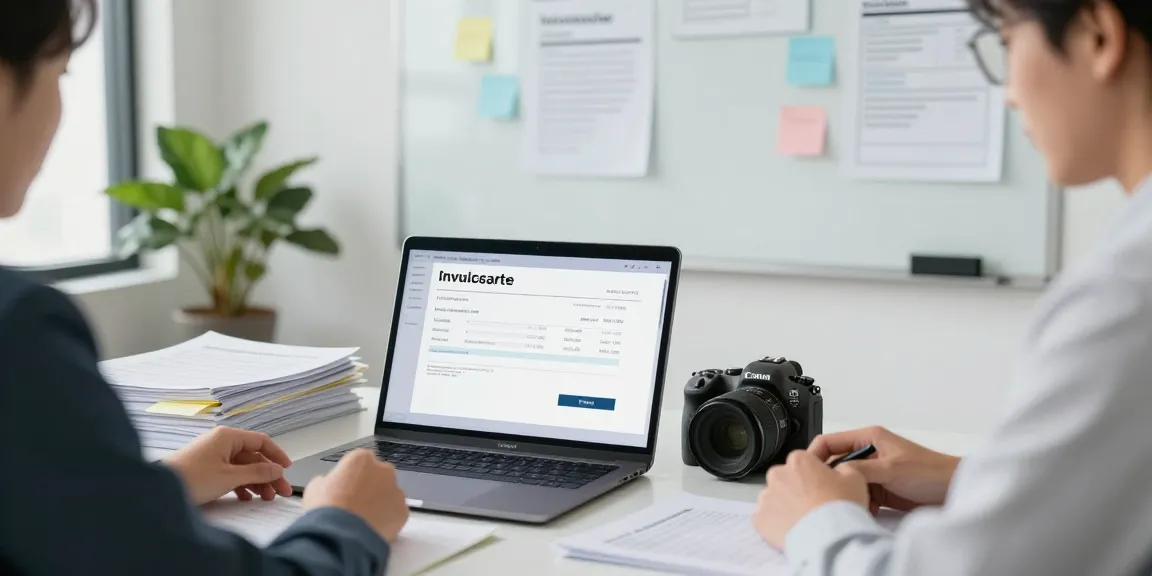
The Landscape of Invoice Fraud in 2026
In recent years, invoice fraud has become a pressing issue for businesses worldwide. As companies increasingly rely on electronic transactions and digital documentation, the risk of falling victim to fake invoices has escalated. According to recent studies, businesses of all sizes are targeted by scammers who exploit gaps in the verification processes. In 2026, understanding how to detect fake invoice scams is crucial for protecting your financial integrity and operational continuity.
Understanding Common Invoice Scams
Invoice scams can take many forms, but they all share common tactics that aim to deceive the recipient into making a payment. Some of the most prevalent types of scams include:
- Phishing Scams: Fraudsters send emails that appear to come from legitimate vendors, often containing fake invoices or requests for payment.
- Fake Vendor Invoices: Scammers create convincing invoices from nonexistent vendors or those who have no connection with the business.
- Altered Invoices: In some cases, actual invoices are modified to change payment details, such as bank account information.
Recognizing the signs of these scams is the first step toward prevention. This understanding requires businesses to remain vigilant and train their staff to spot anomalies in invoices and payment requests.
Trends in Invoice Fraud Detection
The landscape of invoice fraud detection is continually evolving. Increased reliance on technology has led to greater sophisticated scams, but it has also prompted advancements in detection methods. Here are key trends to watch in 2026:
- AI and Machine Learning: These technologies are increasingly used to analyze invoice data for irregularities that might indicate fraud.
- Real-time Analytics: Businesses are adopting real-time monitoring systems that alert them to suspicious activity as it happens.
- Blockchain Solutions: Some organizations are exploring blockchain for secure and immutable invoice transactions, reducing the potential for fraud significantly.
The Impact of AI on Invoice Verification
AI technologies have revolutionized the way businesses approach invoice verification. With the ability to learn and adapt, AI tools can detect patterns of fraudulent behavior and flag inconsistencies in invoices. They analyze previous invoice data, identify discrepancies, and can even alert users to suspicious vendor changes. As we move further into 2026, investing in AI-powered verification tools is essential for companies aiming to stay ahead of fraudsters.
Best Practices to Detect Fake Invoices
Putting in place robust practices to detect fake invoices is vital for any business. A multi-faceted approach that combines technology and human oversight has proven effective in reducing the risk of fraud.
Identifying Red Flags in Invoices
When reviewing invoices, there are several red flags that businesses should be aware of:
- Inconsistent Vendor Information: Check that the vendor’s name matches their usual details, including address and contact numbers.
- Urgent Payment Requests: Be cautious of invoices that stress urgency or threaten penalties for delayed payment.
- Poor Formatting: Fake invoices often have formatting errors, typos, or low-quality logos.
Implementing AI Solutions for Detection
Utilizing AI solutions can significantly enhance invoice verification processes. AI tools can scan invoices in seconds, assessing them against a database of known fraudulent patterns. By integrating these tools into your existing financial systems, companies can automate the detection of suspicious invoices, thus saving time and reducing human error.
Manual vs. Automated Verification Techniques
While automation plays a crucial role in fraud detection, manual techniques should not be overlooked. A combination of both methods often yields the best results:
- Manual Checks: Regular training for staff on how to recognize fake invoices can create a strong first line of defense.
- Automated Alerts: Setting up systems that automatically flag invoices for review when they meet certain criteria can help catch issues before they escalate.
Real-World Examples of Invoice Fraud
Learning from past incidents can provide valuable insights into how businesses can get caught up in invoice fraud schemes.
Case Studies: Businesses Affected by Fake Invoices
Several high-profile cases illustrate the devastating impact of invoice fraud. For instance, a well-known technology firm lost millions after fraudsters sent fake invoices from a vendor they believed to be legitimate. The scammers managed to create invoices that closely mimicked the original vendor’s format and even utilized correct banking details, leading to back-to-back fraudulent transactions.
Lessons Learned from Invoice Fraud Incidents
These incidents underscore the necessity for vigilant verification practices. For many businesses, a simple double-check of invoices, including cross-referencing with established vendors and payment details, could have prevented thousands in losses.
Expert Insights from Industry Leaders
Industry experts emphasize the importance of combining technology with human oversight. As fraud tactics evolve, regular training and awareness programs for employees become crucial in staying one step ahead of fraudsters.
Steps to Protect Your Business
To safeguard against invoice fraud, organizations must develop a comprehensive fraud prevention strategy.
Creating a Robust Invoice Verification Process
A structured verification process involves setting specific protocols for invoice approval and payment. This includes:
- Multi-tier Approval Systems: Require multiple signatures or approvals for large invoice payments to ensure accountability.
- Vendor Verification: Always verify new vendors with a phone call or secondary contact method before processing payments.
- Audit Trails: Maintain clear records of all invoices and communications for accountability.
Training Employees on Fraud Detection
Having a well-informed team is crucial for any prevention strategy. Regular training sessions on recognizing the signs of fraud and understanding the processes for reporting suspicious invoices can greatly enhance a company’s ability to detect fraud early.
Utilizing Technology to Enhance Security
Integrating technologies such as AI and real-time fraud detection systems adds a layer of security that manual checks cannot offer. These systems continuously analyze transactions to catch anomalies and can alert the finance team to possible fraud.
Future Trends in Invoice Verification
As technology continues to advance, so does the landscape of invoice verification. In 2026 and beyond, several emerging trends are expected to shape how businesses combat invoice fraud.
Emerging Technologies for Fraud Detection
Blockchain technology holds promise for future invoice verification by allowing for secure, transparent transactions. Additionally, advancements in AI will lead to even more sophisticated fraud detection algorithms capable of evolving alongside fraud tactics.
Predictions for Invoice Fraud in the Coming Years
Experts predict that as businesses continue to digitize their processes, fraudsters will also become more innovative. New methods of deception, such as deepfakes, could emerge, making it imperative for companies to adapt their verification processes accordingly.
Preparing for Future Challenges in Invoice Verification
As the threat landscape evolves, businesses must remain agile in their approaches to verifying invoices. Continuous investment in training and technology, along with a strong culture of vigilance, will be key to preventing fraud.
How can I ensure my invoices are authentic?
Ensuring authenticity involves a combination of rigorous verification processes, employee training, and up-to-date technology. Regularly update your practices and integrate best practices within your organization.
What are the latest technologies for detecting fake invoices?
Technologies such as AI, machine learning algorithms, and blockchain are paving the way for more effective fraud detection mechanisms.
Why is invoice verification crucial for businesses?
Invoice verification helps protect against financial losses, maintains client trust, and upholds business integrity.
What steps can companies take to prevent invoice fraud?
Steps include developing robust verification processes, training employees, and leveraging technology to enhance security measures.
Are there any legal implications for handling fake invoices?
Handling fake invoices can lead to severe legal consequences, including fines and reputational damage. Companies should be proactive in their fraud prevention efforts to mitigate these risks.




More Stories
Was sind die besten Eigenschaften einer Gebäudereinigungsfirma Dortmund für Unternehmen?
Build Your Brand in Instagram KL: What NOT to Do (Learn from Others)
20 Best Septic Cleaning Providers for Serious Homeowners in 2026