


Understanding Construction Design Services
Definition of Construction Design Services
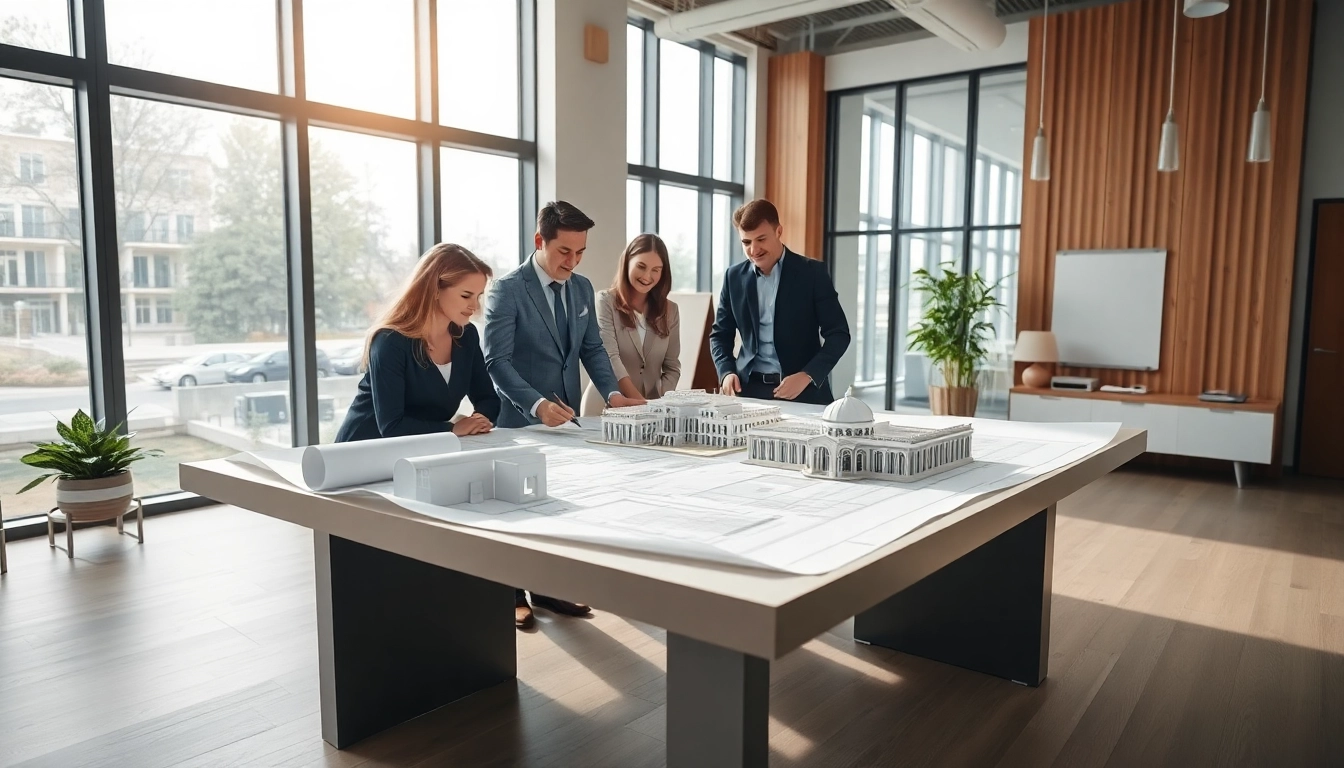
Construction design services encompass a range of professional activities aimed at planning, designing, and executing construction projects. These services are crucial for transforming conceptual ideas into functional structures, ensuring that every aspect of a building is feasible and aligns with client needs, regulatory requirements, and safety standards. From initial blueprints to final construction, these services focus on delivering comprehensive solutions.
Importance in Building Projects
The significance of construction design services cannot be overstated; they lay the groundwork for successful building projects. Effective design services help minimize risks, adhere to budgets, and streamline timelines. By integrating various aspects of construction—from aesthetics to structural integrity—these services ensure that projects meet the expected functionality and style while adhering to zoning laws and building codes.
Key Components of the Process
Construction design services involve multiple components, including:
- Initial Consultation: Understanding the client’s vision, budget, and timeline.
- Site Analysis: Evaluating the construction site to assess feasibility.
- Design Development: Creating detailed architectural plans and 3D models.
- Regulatory Compliance: Ensuring designs meet all local building codes and regulations.
- Project Management: Coordinating tasks, timelines, and contractor activities.
Benefits of Effective Design Services
Cost Efficiency and Budgeting
One of the primary benefits of utilizing construction design services is cost efficiency. Detailed planning can identify potential issues before they arise, allowing for adjustments that can save money throughout the project lifecycle. By having a clear budget during the design phase, clients can prevent cost overruns and make informed decisions regarding materials and design choices. construction design services streamline this process, ensuring every dollar is accounted for.
Enhanced Functionality and Aesthetics
Effective design enhances both the functionality and aesthetic appeal of a building. Construction designers work meticulously to create spaces that are not only visually pleasing but also meet the practical needs of the occupants. For example, integrating natural lighting and optimizing space usage can significantly improve the day-to-day experience of a building’s users. When aesthetics align with utility, the overall satisfaction of the client increases.
Streamlined Project Management
Another key advantage of construction design services is streamlined project management. By undertaking both design and construction stages within one cohesive process, communication gaps can be bridged. This leads to better scheduling and coordination, reducing the likelihood of delays and minimizing misunderstandings among stakeholders. Efficient project management can ultimately improve delivery times and enhance the overall quality of the project.
Choosing the Right Construction Design Service
Factors to Consider
When selecting a construction design service, several factors should be taken into account:
- Experience: Look for firms with a proven track record in similar projects.
- Portfolio: Assess previous work to gauge quality and style.
- Client Reviews: Examine testimonials and ratings to understand client satisfaction.
- Approach: Ensure that their design philosophy aligns with your vision.
- Technology Use: Determine if they utilize modern design software and techniques.
Questions to Ask Potential Designers
When interviewing potential construction design services, consider asking the following questions:
- What is your design process, and how do you involve clients?
- How do you handle project changes or unforeseen challenges?
- Can you provide a timeline and budget estimate for my project?
- What systems do you have in place for quality control?
- How do you ensure compliance with local codes and regulations?
Checking References and Reviews
Researching references and client reviews is fundamental when choosing a construction design service. Requesting a list of past clients and testimonials can provide insights into a firm’s reliability and quality of work. It’s often beneficial to reach out directly to former clients to ask specific questions about their experience, timelines, and how well the project met their expectations.
Best Practices in Construction Design
Incorporating Sustainability
Sustainability is becoming an increasingly critical aspect of construction design services. Incorporating energy-efficient materials, optimizing layouts for natural light, and using sustainable building practices can significantly reduce a project’s environmental impact. Implementing sustainable practices not only helps in conserving resources but also often results in long-term cost savings for both builders and occupants.
Utilizing Technology in Design
Modern construction design heavily incorporates advanced technologies such as Building Information Modeling (BIM), 3D modeling, and project management software. These technologies facilitate better visualization of potential projects, enable real-time updates, and improve collaboration between architects, engineers, and contractors. By leveraging technology, design services can create more accurate and feasible plans while minimizing errors.
Collaboration Among Stakeholders
Successful construction projects require collaboration among various stakeholders, including architects, builders, clients, and regulatory agencies. Effective communication fosters a collaborative environment that allows for problem-solving and innovation. Establishing regular check-ins and utilizing collaborative tools can ensure that everyone involved is on the same page, ultimately leading to more effective project delivery.
FAQs about Construction Design Services
What are construction design services?
Construction design services refer to the comprehensive planning, designing, and execution processes involved in building projects, ensuring all elements are aligned for successful project completion.
What does a construction designer do?
A construction designer collaborates with architects and contractors to create functional building designs, ensuring they meet all safety and regulatory requirements during the construction process.
How much do architects charge for residential design?
Architect fees vary widely but typically range from 6-10% of the total construction cost, depending on the project’s complexity and size, ensuring a fair compensation for their expertise.
What are common types of construction drawings?
Common types of construction drawings include blueprints, architectural layouts, and detailed designs, serving as crucial guides for contractors throughout the building process.
How can I improve my construction design process?
Enhancing your design process involves adopting advanced technology, fostering transparent communication, and encouraging collaboration among all project stakeholders, leading to more efficient outcomes.



More Stories
Navigating Federal and State Contracts and Grants: A Comprehensive Guide
Understanding Federal and State contracts and grants for Business Growth
Elevating Your Brand: Top Strategies by Social Media Marketing Companies Edmonton