
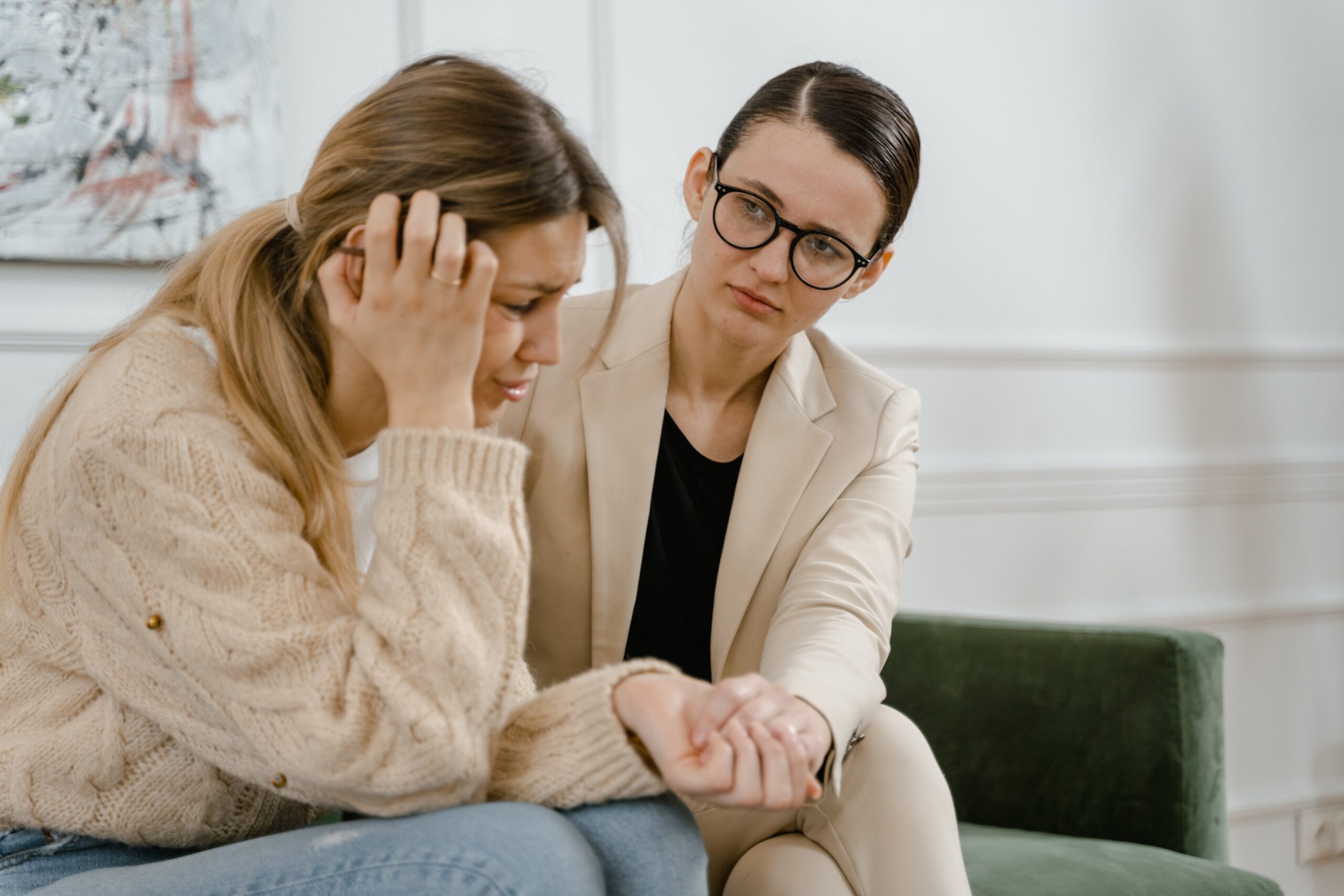
Stress and anxiety are common experiences in modern life, affecting people of all ages. While occasional stress or anxiety is a normal part of life, chronic levels can significantly impact emotional and physical health. Understanding Stress and anxiety symptoms and knowing effective coping tools are essential steps toward maintaining emotional well-being. This article will provide a detailed, easy-to-understand guide to recognizing stress and anxiety and practical strategies to manage them.
What Are Stress and Anxiety?
Stress is the body’s natural response to a challenge or demand. It can be triggered by work, school, relationships, or unexpected events. When stress is short-term, it can motivate you to take action or solve problems. However, long-term stress can harm your mental and physical health.
Anxiety is a feeling of worry, nervousness, or fear about an upcoming event or an uncertain outcome. Unlike stress, anxiety can persist even when there is no immediate threat, and it may interfere with daily life. While stress and anxiety are related, anxiety is often more chronic and internalized.
Common Stress Symptoms
Stress affects both the body and mind. Being able to recognize the signs early can help prevent long-term complications.
Physical Symptoms of Stress
- Headaches and migraines
- Muscle tension, especially in the neck and shoulders
- Fatigue or low energy
- Rapid heartbeat or palpitations
- Upset stomach, nausea, or digestive issues
- Sleep disturbances, such as insomnia or restless sleep
Emotional Symptoms of Stress
- Irritability or mood swings
- Feeling overwhelmed or helpless
- Anxiety or nervousness
- Difficulty concentrating or making decisions
- Low motivation or feeling unproductive
Behavioral Symptoms of Stress
- Changes in appetite, either overeating or loss of appetite
- Avoiding responsibilities or procrastination
- Increased use of alcohol, nicotine, or other substances
- Social withdrawal or isolation
Common Anxiety Symptoms
Anxiety can manifest in physical, emotional, and cognitive ways. Recognizing these symptoms is the first step toward effective management.
Physical Symptoms of Anxiety
- Rapid heartbeat or palpitations
- Shortness of breath or hyperventilation
- Sweating or trembling
- Muscle tension or aches
- Gastrointestinal problems such as diarrhea or nausea
Emotional Symptoms of Anxiety
- Persistent worry or fear
- Feeling restless or on edge
- Difficulty controlling anxious thoughts
- Irritability or heightened emotional sensitivity
Cognitive Symptoms of Anxiety
- Overthinking and rumination
- Difficulty concentrating or focusing
- Negative thinking patterns
- Constant anticipation of worst-case scenarios
Causes of Stress and Anxiety
Understanding the root causes of stress and anxiety can help in managing symptoms effectively.
External Causes
- Work or academic pressure
- Relationship conflicts
- Financial difficulties
- Major life changes, such as moving or changing jobs
Internal Causes
- Perfectionism or self-criticism
- Negative thought patterns
- Past trauma or unresolved emotional issues
- Genetic predisposition to anxiety disorders
Case Study Example
Consider Sarah, a high school student balancing academic expectations and extracurricular activities. She began experiencing headaches, difficulty sleeping, and constant worry about grades. These stress and anxiety symptoms were linked to academic pressure and her own high standards. Identifying these triggers helped Sarah apply coping strategies to improve her emotional health.
Coping Tools for Stress and Anxiety
Effective coping tools can help reduce the intensity of stress and anxiety symptoms. Using multiple approaches often works best.
Physical Coping Tools
- Exercise Regularly: Activities like walking, jogging, or yoga help reduce stress hormones and boost mood.
- Deep Breathing Techniques: Practicing slow, deep breaths can calm the nervous system.
- Progressive Muscle Relaxation: Tensing and releasing muscles can reduce physical tension.
- Adequate Sleep: Maintaining a consistent sleep routine helps the body recover and regulate emotions.
Mental Coping Tools
- Mindfulness and Meditation: Staying present in the moment reduces worry about the past or future.
- Cognitive Behavioral Techniques: Challenging negative thought patterns and replacing them with balanced thoughts can decrease anxiety.
- Journaling: Writing down thoughts and feelings can help process emotions and clarify stressors.
- Time Management: Prioritizing tasks and breaking them into manageable steps reduces overwhelm.
Social and Emotional Coping Tools
- Talk to a Trusted Person: Sharing feelings with a friend, family member, or counselor provides emotional relief.
- Build Support Networks: Strong social connections reduce stress and improve resilience.
- Engage in Positive Activities: Hobbies, creative projects, or volunteering can provide purpose and distraction from anxiety.
Real-Life Analogy
Think of stress and anxiety like a backpack filled with heavy rocks. Each rock represents a worry, fear, or responsibility. Coping tools are like taking some rocks out or distributing the weight evenly. Exercise, mindfulness, social support, and planning all help reduce the burden, making the load easier to carry.
Lifestyle Changes to Support Emotional Health
In addition to coping tools, lifestyle adjustments can prevent stress and anxiety from becoming overwhelming.
Nutrition and Hydration
- Eat balanced meals with fruits, vegetables, and whole grains
- Limit caffeine and sugar, which can increase anxiety
- Stay hydrated throughout the day
Routine and Structure
- Maintain a consistent daily routine
- Include time for rest, recreation, and self-care
- Avoid overcommitting to tasks or responsibilities
Digital and Media Management
- Limit exposure to distressing news or social media
- Set boundaries on screen time
- Engage in positive, uplifting online content
When to Seek Professional Help
While coping tools are effective for many, professional help is sometimes necessary. Signs that professional support may be needed include:
- Persistent or worsening anxiety or stress
- Inability to perform daily tasks
- Panic attacks or severe physical symptoms
- Withdrawal from social or professional life
Licensed therapists, counselors, or medical professionals can provide guidance through therapy, medication, or specialized interventions tailored to individual needs.
Integrating Coping Tools into Daily Life
The key to managing stress and anxiety is consistency. Practicing coping tools regularly—even when symptoms are mild—prepares you to respond effectively when challenges arise. Simple steps include:
- Starting the day with a five-minute mindfulness exercise
- Taking short breaks during study or work to stretch or breathe
- Journaling emotions before bedtime to release mental tension
- Scheduling weekly social or recreational activities to recharge emotionally
Conclusion
Stress and anxiety are natural human experiences, but understanding their symptoms and applying effective coping tools can significantly improve emotional health. By recognizing physical, emotional, and cognitive signs, identifying triggers, and consistently using strategies like exercise, mindfulness, journaling, and social support, individuals can regain control over their well-being. Calm Minds Hub encourages a compassionate and evidence-based approach to mental health, empowering everyone to manage stress and anxiety effectively and lead a balanced, fulfilling life. The homepage is your central hub for everything we publish.
FAQs
What is the difference between stress and anxiety?
Stress is a reaction to an external demand or challenge, usually temporary, while anxiety is a persistent internal state of worry or fear that may occur even without a clear external trigger.
Can lifestyle changes really reduce stress and anxiety?
Yes. Balanced nutrition, regular exercise, sufficient sleep, and consistent routines can support emotional health, reduce symptoms, and enhance resilience.
When should I seek professional help for stress and anxiety?
If stress or anxiety is persistent, interferes with daily life, or causes severe physical or emotional symptoms, consulting a licensed therapist or medical professional is recommended for personalized guidance.