
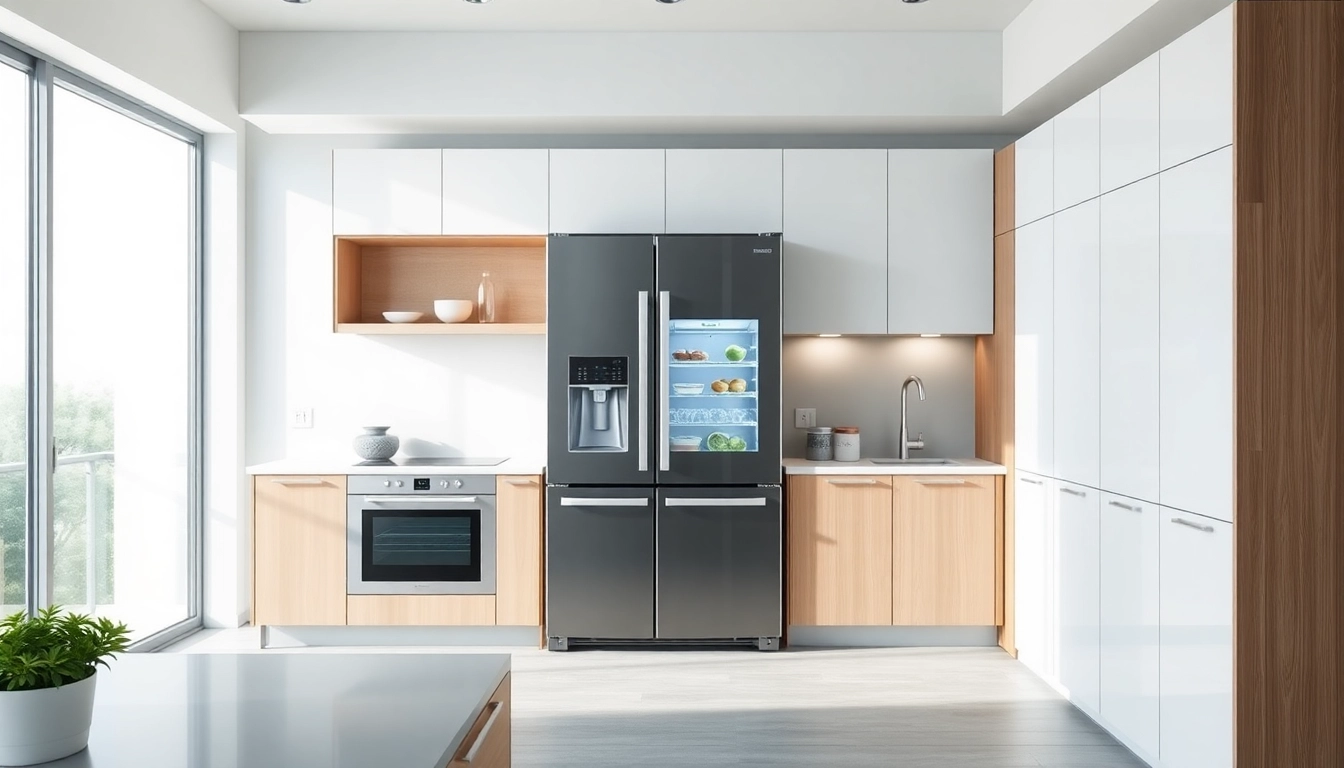
Understanding the Basics of Refrigerator Sales
The refrigerator is more than just a kitchen appliance; it's an essential part of modern life. As a central hub for food preservation, its sales continue to reflect the evolving needs and preferences of consumers. Understanding the foundational aspects of refrigerator sales is crucial for both buyers and sellers in the marketplace. From different types of units to key features and price ranges, this guide aims to provide comprehensive insights tailored to facilitate better decision-making in the realm of refrigerator sales.
Types of Refrigerators Available
The variety of refrigerator types available today caters to the diverse needs of consumers. Here’s a deeper look:
- Top Freezer Refrigerators: A classic design with the freezer compartment above the refrigerator, these units are often more energy-efficient and provide ample storage.
- Bottom Freezer Refrigerators: With the freezer positioned at the bottom, these models allow for easy access to frequently used items at eye level.
- Side-by-Side Refrigerators: Offering freezer and refrigerator space side by side, these models often come with added features like ice and water dispensers.
- French Door Refrigerators: Combining the best of both worlds, these stylish units have two refrigerator doors and a bottom freezer, providing both elegance and functionality.
- Compact Refrigerators: These smaller models are perfect for dorms, offices, or as secondary units in homes, fitting into tight spaces while still providing storage.
- Smart Refrigerators: Equipped with internet connectivity and touch-screen interfaces, these modern units can manage inventory, suggest recipes, and even let you view contents via camera.
Key Features to Consider
When purchasing a refrigerator, functionality and convenience are paramount. Below are key features to consider:
- Energy Efficiency: Look for models with an Energy Star certification to ensure lower electricity bills and a smaller carbon footprint.
- Storage Capacity: Evaluate your household needs. Calculate the total volume required based on family size and dietary preferences.
- Temperature Control: Models with digital temperature controls and separate zones for different food types offer enhanced preservation.
- Noise Level: Consider models designed for quiet operation, especially in open kitchen layouts that flow into dining areas.
- Water and Ice Dispensers: Built-in dispensers are convenient but may require additional maintenance, including filter replacements.
- Interior Organization: Adjustable shelving, door bins, and crisper drawers can maximize storage efficiency and accessibility.
Understanding Price Ranges
The price of refrigerators can vary widely depending on numerous factors, including size, features, and brand. Here's a breakdown:
- Budget Models: Typically range from $300 to $800, these are often basic units without advanced features.
- Mid-Range Models: Priced between $800 and $1500, these models usually include some desirable features and better designs.
- High-End Models: These can range from $1500 to upwards of $5000 and include features such as smart technology, premium finishes, and customizability.
Market Trends Influencing Refrigerator Sales
The refrigerator market is continuously evolving due to societal shifts, technological advancements, and consumer preferences. Understanding current trends can provide valuable insights for buyers and sellers alike.
Increasing Demand for Energy Efficiency
With consumers more environmentally conscious than ever, energy-efficient refrigerators are witnessing a surge in popularity. These models not only reduce the ecological footprint but also help households save on utility bills. The demand for Energy Star-rated appliances is indicative of a broader trend toward sustainable living, aligning consumer choices with environmental responsibility.
Smart Refrigerators: The New Wave
Smart home technology is redefining how we interact with kitchen appliances. Smart refrigerators come equipped with features such as Wi-Fi connectivity, inventory management, and even app-controlled settings. This integration of technology allows for improved efficiency and convenience, catering to tech-savvy consumers and families looking for ease in meal preparation and food management.
Seasonal Sales Trends to Watch
Understanding seasonal trends can be advantageous for both buyers seeking the best deals and sellers planning promotions. Major sales events such as Black Friday, Labor Day, and back-to-school seasons often yield significant discounts, making these periods ideal for purchasing a new refrigerator.
How to Choose the Right Refrigerator for Your Needs
Choosing the right refrigerator can seem overwhelming, but by considering a few key factors, you can simplify the process significantly.
Assessing Space and Size
The first step in selecting a refrigerator is to measure the designated space in your kitchen. Consider not only the dimensions but also the door swing, which could be hampered by walls or other appliances. Additionally, take into account which size fits your household's needs based on food consumption patterns.
Matching Style with Kitchen Decor
A refrigerator can serve as a significant focal point in your kitchen. Styles vary from classic stainless steel to vibrant, funky colors. Choosing a unit that complements your existing decor can enhance the overall aesthetic while also providing practical functionality.
Evaluating Brand Reputation and Reviews
Before making a purchase, investigate brand reputation and customer reviews. Reliable brands often provide better warranties and customer service, contributing to a more satisfactory ownership experience. Websites featuring consumer feedback can be invaluable resources for comparisons.
Strategies for Successful Refrigerator Sales
For retailers, maximizing refrigerator sales requires a strategic approach that encompasses marketing, customer engagement, and online presence. Here are effective strategies to consider:
Effective Marketing Techniques
Your marketing strategy should communicate the unique benefits of your refrigerator models. Use a mix of digital advertising, social media promotions, and influencer partnerships to reach potential buyers. Highlight energy efficiency, advanced features, and promotional discounts to capture interest.
Building Customer Relationships
Creating strong relationships with customers can translate into repeat business. Encourage feedback, offer maintenance tips, and provide exceptional customer service, enabling customers to feel valued. Implementing a loyalty program can incentivize repeat purchases.
Scaling Online Presence
Developing a robust online presence is crucial in today’s digital marketplace. Utilize SEO strategies to increase visibility and ensure your website is user-friendly. Engaging content such as blogs and guides can help inform buyers and attract organic traffic towards your site.
FAQs about Refrigerator Sales
What factors affect refrigerator prices?
The type, size, and features directly influence refrigerator prices. Higher-end models typically cost more. Energy efficiency also plays a role.
What is the average lifespan of a refrigerator?
A refrigerator generally lasts around 10-20 years. Regular maintenance can help extend its life significantly.
How can I improve my refrigerator's energy efficiency?
Keeps coils clean, ensure proper door seals, set the right temperature, and avoid frequent opening to enhance energy efficiency.
When are the best times to purchase a refrigerator?
Major sales events like Black Friday, Memorial Day, and back-to-school seasons typically offer the best deals on refrigerators.
How can I compare refrigerator models?
Consider factors like features, price, warranty, and reviews. Online comparison tools can also help simplify the selection process.