
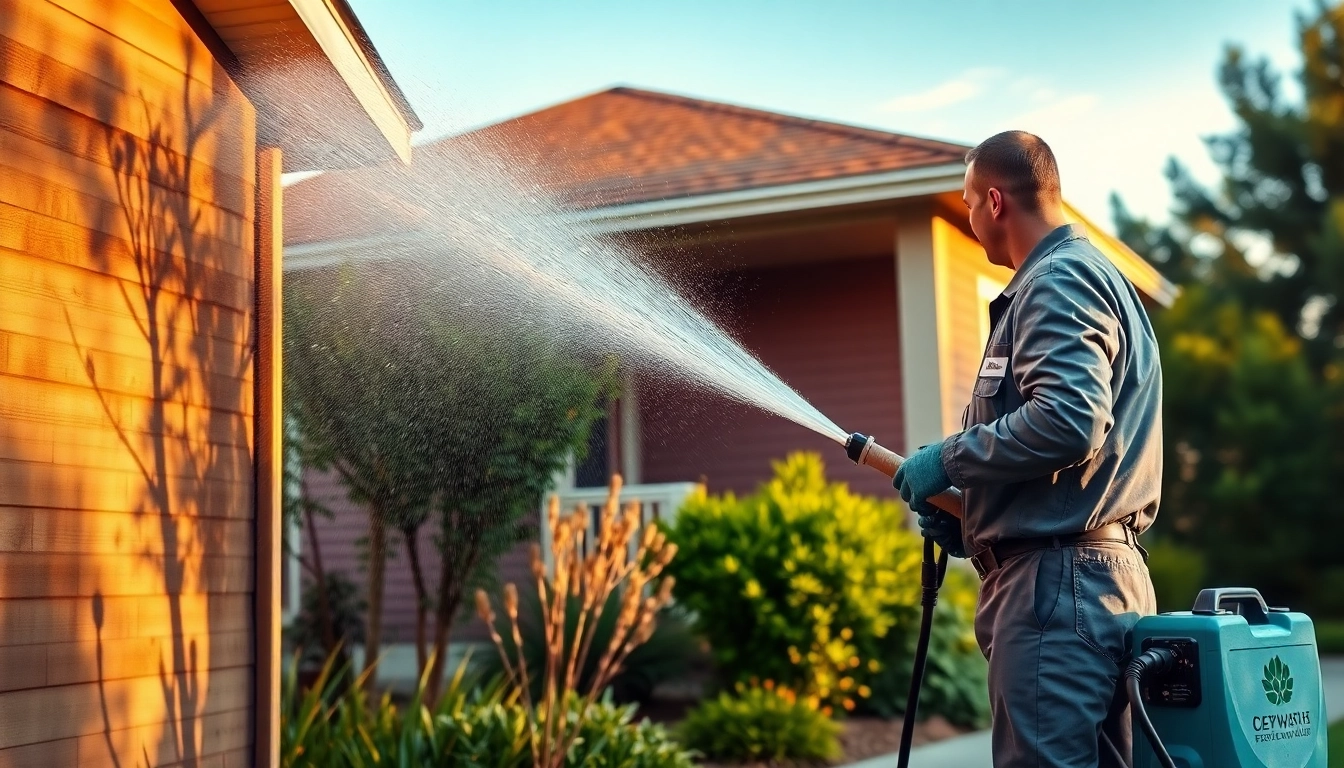
Understanding Soft Wash: The New Standard in Exterior Cleaning
As the demand for exterior cleaning services continues to evolve, soft washing has emerged as a popular choice among homeowners and businesses alike. Unlike traditional pressure washing, which can potentially damage delicate surfaces, soft wash utilizes low-pressure water combined with eco-friendly, biodegradable cleaning solutions to safely and effectively remove dirt, mold, mildew, and algae. This method not only enhances curb appeal but also extends the lifespan of your home's exterior surfaces.
What is Soft Washing?
Soft washing is a gentle cleaning technique that employs low-pressure water to apply specially formulated cleaning solutions. Often used on surfaces such as roofs, siding, and decks, it harnesses the power of chemistry rather than brute force, making it particularly effective for cleaning organic growth and stains. The process typically involves three main steps: applying the cleaning solution, allowing it to dwell and break down contaminants, and rinsing away the residue with low-pressure water.
Benefits of Choosing Soft Wash Over Traditional Methods
- Gentle on Surfaces: Soft washing minimizes the risk of damage to fragile materials like shingles, wood siding, and painted surfaces.
- Long-lasting Results: By using specialized cleaning agents that penetrate and eliminate mold and algae at the root, soft washing provides a longer-lasting clean.
- Eco-friendly: The biodegradable solutions used in soft washing are safer for the environment compared to harsh chemicals often used in traditional pressure washing.
- Improved Curb Appeal: A thorough soft wash can dramatically enhance the appearance of your property, making it more inviting.
Common Misconceptions About Soft Washing
Despite its rising popularity, several misconceptions about soft washing persist. One common myth is that it is less effective than pressure washing. In reality, soft washing's effectiveness lies in its ability to remove organic matter without risking damage. Another misconception is that soft washing can only be used on certain types of surfaces. In fact, soft washing is suitable for a wide range of materials, including asphalt shingles, vinyl siding, and more.
How Soft Wash Works: Techniques and Equipment
The Soft Wash Process Explained
The soft washing process begins with a detailed assessment of the surfaces being cleaned. Once the type and degree of staining are determined, a biodegradable cleaning solution is mixed, often containing ingredients like sodium hypochlorite and surfactants. This mixture is applied using a specialized soft wash nozzle that maintains low pressure. After applying the solution, it is allowed to dwell on the surface for a specified time to effectively break down stubborn stains.
Essential Equipment for Effective Soft Washing
Effective soft washing requires specific equipment to achieve optimal results. Key components include:
- Soft Wash System: This usually includes a tank for the cleaning solution, a pump to create low pressure, and hoses to direct the flow.
- Specialized Nozzles: These nozzles are designed to deliver the cleaning solution gently without damaging surfaces.
- Protective Gear: Safety equipment such as gloves and goggles is essential to protect the user from chemicals.
Eco-Safe Cleaning Solutions Used in Soft Washing
One of the hallmarks of soft washing is the use of eco-safe cleaning solutions. These biodegradable products are designed to be tough on stains but gentle on the environment. Most formulations effectively target mold, mildew, and algae while minimizing impact on surrounding flora and fauna. This makes soft washing a sustainable choice for homeowners seeking effective exterior cleaning solutions.
Soft Wash Applications: Where and When to Use It
Best Surfaces for Soft Washing
Soft washing is particularly effective for a variety of surfaces, including:
- Roofs: Gentle enough to clean without causing granule loss on shingles.
- Siding: Ideal for vinyl, stucco, and painted surfaces that can be easily damaged by high pressure.
- Decks and Patios: Perfect for wood and composite materials that require careful cleaning.
Ideal Situations for Soft Washing vs. Pressure Washing
Understanding the appropriate use of soft washing versus pressure washing can save time and money. Soft washing is preferred for:
- Removing organic stains from roofs or siding.
- Cleaning delicate surfaces such as wood decks or painted surfaces.
On the other hand, pressure washing is better suited for:
- Heavy-duty cleaning such as removing concrete stains or grime from driveways.
- Cleaning surfaces that are not sensitive to high pressure, like brick and stone.
Seasonal Considerations for Soft Washing
The effectiveness of soft washing can be influenced by seasonal changes. Spring and early fall are considered the best times for soft washing, as temperatures and humidity levels are conducive to thorough cleaning. Additionally, cleaning before seasonal weather changes can prevent damage from mold and mildew buildup.
Choosing a Professional Soft Washing Service
What to Look for in a Soft Washing Company
When selecting a soft washing service, consider the following factors:
- Experience: Look for a company with proven experience and positive reviews.
- Insurance: Ensure they are licensed and insured to protect against potential damages.
- Eco-friendly Practices: Choose a service that uses environmentally safe cleaning solutions.
Questions to Ask Before Hiring
Before hiring a soft washing service, consider asking:
- What types of surfaces do you clean?
- Can you provide references or customer testimonials?
- What safety measures do you have in place during the cleaning process?
Evaluating Customer Reviews and Testimonials
Customer reviews can provide invaluable insights into the efficiency and reliability of a soft washing service. Look for companies that have a strong track record of customer satisfaction, as well as those that respond actively to feedback and complaints.
Future Trends in Soft Washing: Innovations for 2025 and Beyond
Emerging Technologies in Soft Washing Equipment
As the soft washing industry continues to grow, new technologies are emerging that enhance cleaning efficiency and effectiveness. Innovations such as automated soft wash systems and advanced biodegradable solutions are making it easier for companies to provide exceptional service while minimizing environmental impact.
Environmental Impact and Sustainability Practices in Soft Washing
As sustainability becomes increasingly important, soft washing is adapting to meet these demands. Companies are exploring greener cleaning solutions and more efficient water use practices, which not only protect the environment but also improve the overall efficiency of their services.
Predictions for the Soft Washing Industry in 2025
The future of soft washing looks promising, with predictions indicating continued growth as consumers seek eco-friendly and effective cleaning solutions. As awareness of the benefits of soft washing spreads, we anticipate a surge in demand for professional services, particularly in urban areas where environmental regulations may become more stringent.