Understanding Structural Steel Construction
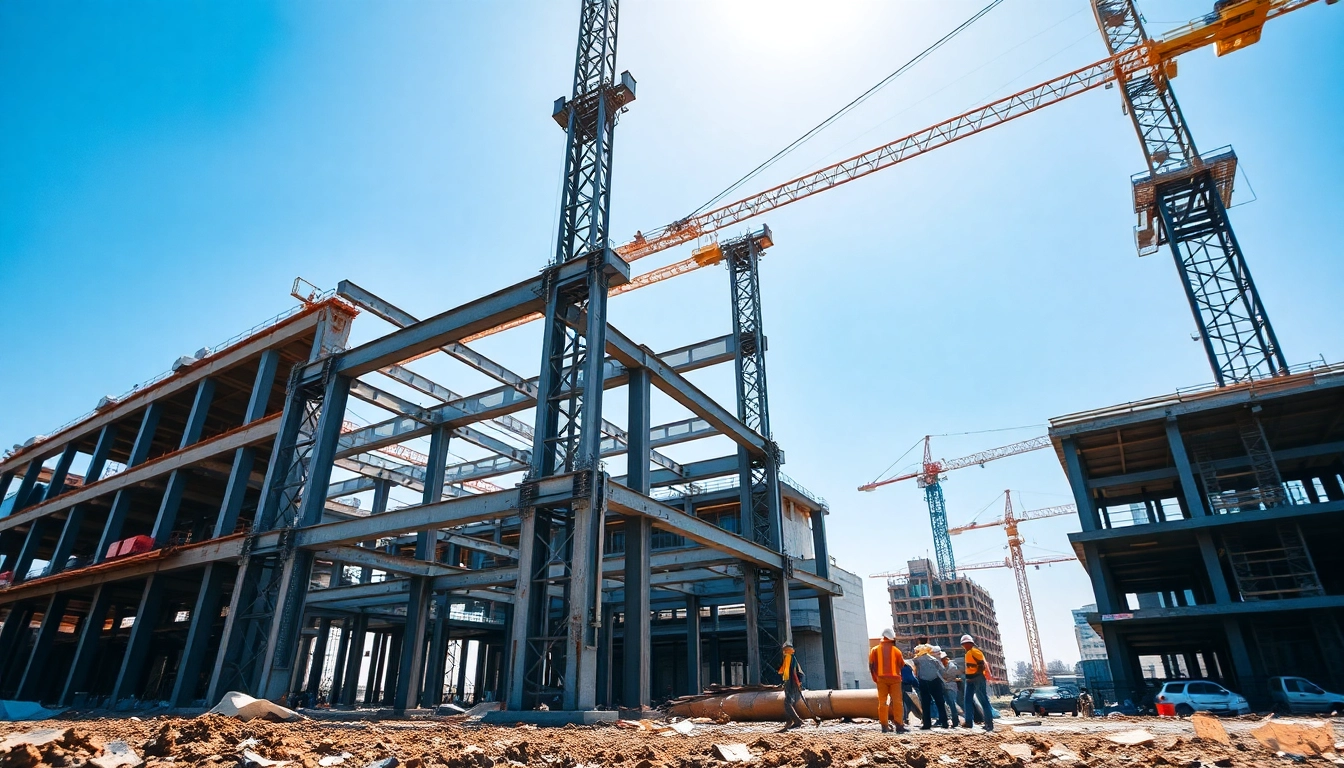
Structural steel construction has become a pivotal element in modern architecture and civil engineering. This versatile and robust material has significantly reshaped the landscape of building methodologies, offering a range of applications in commercial, industrial, and residential projects. To fully grasp the implications and advantages of this construction technique, it's essential to first understand the fundamental nature of structural steel and its importance in today's building environment. You can find more about the various applications and benefits of structural steel construction in-depth in various engineering resources.
What is Structural Steel?
Structural steel is a category of steel used for making construction materials in a variety of shapes, primarily designed to bear loads efficiently and be structurally sound. It is produced in various grades depending on its application, often made of carbon steel, and characterized by its high strength and ability to withstand significant forces.
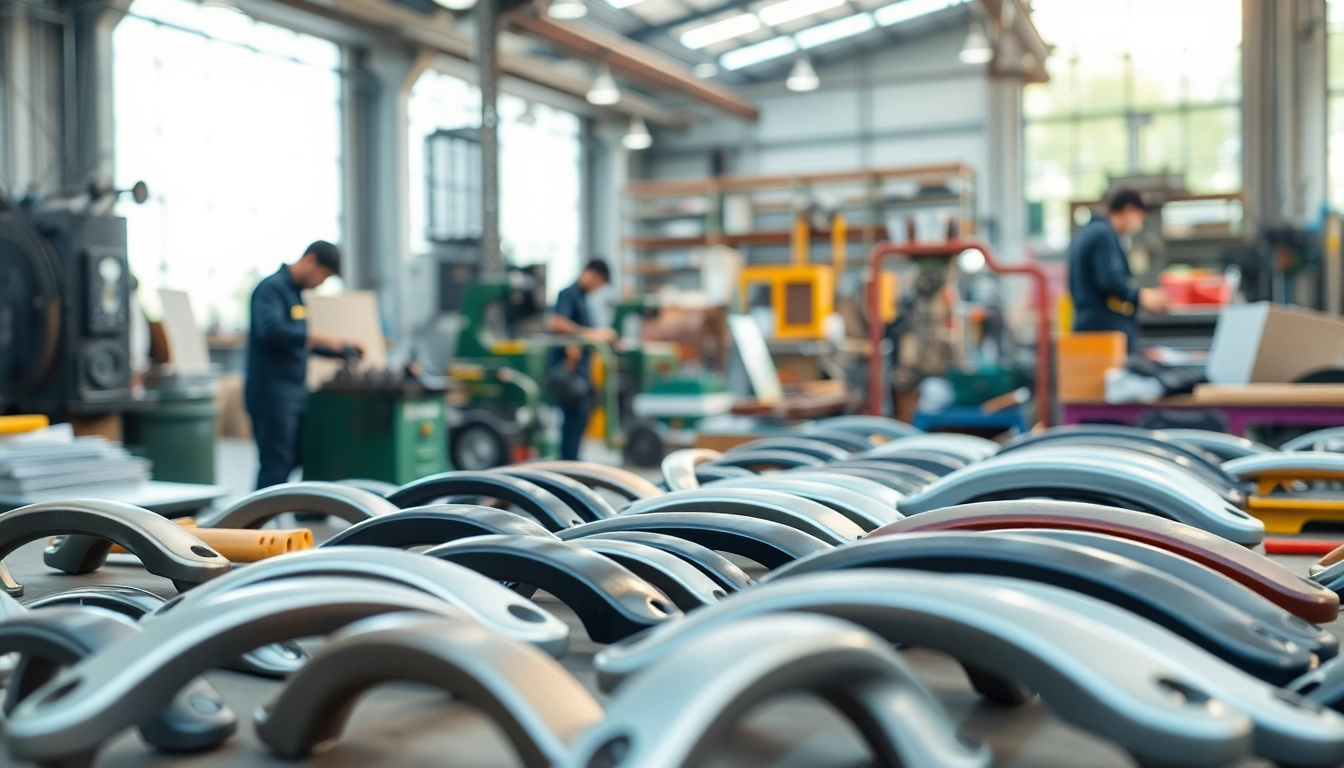
The production of structural steel typically involves creating steel beams, columns, and other shapes utilizing processes like hot-rolling and cold-working. These shapes are standardized to various configurations, such as I-beams, HSS (hollow structural sections), and channels, allowing for optimized structural efficiency.
The Importance of Structural Steel in Modern Building
The significance of structural steel in contemporary construction cannot be overstated. It delivers a range of advantages including but not limited to:
- Load-Bearing Capabilities: Structural steel is designed to carry heavy loads over long spans, making it ideal for larger architectural designs.
- Flexibility: The malleability of steel allows architects to conceive innovative designs without compromising structural integrity.
- Speed of Construction: Structural steel components are prefabricated, which can reduce construction time significantly compared to traditional materials like concrete.
Common Types of Structural Steel Shapes
Understanding the different shapes of structural steel is crucial for optimizing design and functionality. Common types include:
- I-Beams: Known for their "I" shape, these beams are primarily used for vertical loads.
- H-Beams: Wider than I-beams, they provide greater overall stability.
- Channels: These "C" shaped profiles are employed in various construction applications, including bracing and framing.
- Angles: Simple L-shaped structural elements often used for mounting and support.
- Plates: Flat pieces of steel used in numerous applications including floors and walls.
Benefits of Structural Steel Construction
High Strength-to-Weight Ratio
One of the most remarkable attributes of structural steel is its high strength-to-weight ratio, allowing for substantial load-bearing capabilities while remaining relatively lightweight. This characteristic is particularly advantageous in designing skyscrapers and large structures, as it minimizes material costs and enhances overall design efficiency.
Durability and Longevity
Structural steel is inherently durable, resistant to many forms of corrosion, and can last for decades with proper maintenance. Its resilience allows for extensive usage in various weather conditions without significantly impacting structural integrity, making it a practical choice for buildings exposed to the elements.
Moreover, in terms of cost-effectiveness, the longevity of structural steel means lower lifecycle costs due to reduced maintenance and replacement needs.
Flexibility in Design
Structural steel offers significant flexibility in both design and construction. This adaptability allows architects and engineers to create complex forms and shapes that would be impractical with other construction materials. Additionally, the ability to modify and expand structures without major renovations plays a critical role in its application for both new builds and existing structures.
Best Practices in Structural Steel Construction
Planning and Design Considerations
A successful structural steel project begins with meticulous planning and design. Critical aspects to consider include:
- Load Calculations: Accurate assessment of potential loads is essential to ensure safety and performance.
- Site Conditions: Factors such as soil type and environmental conditions must influence the design to mitigate risks effectively.
- Material Selection: Choosing the appropriate grade of steel is crucial for ensuring the structure's durability and performance.
Quality Control and Safety Measures
Implementing a robust quality control system is essential to maintain high standards throughout the construction process. This includes regular inspections, adherence to building codes, and employing best practices in welding and assembly.
Safety protocols are equally important, focusing on training personnel, conducting risk assessments, and ensuring compliance with safety regulations to prevent accidents and create a safe working environment.
Environmental Impact and Sustainability
The environmental impact of structural steel construction is a critical consideration in today's construction industry, and efforts are being made to promote sustainability. This includes:
- Recyclability: Structural steel is one of the most recycled materials in the world, which significantly reduces waste.
- Energy Efficiency: Efficient use of steel ensures energy resources are conserved during the construction process.
- Designing for Disassembly: Incorporating elements that allow for future reuse and recycling can minimize the environmental impact.
Challenges in Structural Steel Construction
Supply Chain and Material Availability
Challenges in the supply chain can lead to delays and increased costs in structural steel projects. Issues may arise due to fluctuations in market prices, transportation delays, and material shortages. It’s critical to establish reliable supply chain relationships and develop contingency plans to mitigate these risks.
Cost Management in Projects
Project costs can quickly escalate if not managed effectively. Key strategies include:
- Detailed Budgeting: Create detailed estimates based on thorough planning to avoid unexpected costs.
- Value Engineering: Regularly review designs and processes for potential savings without compromising quality.
- Monitoring Progress: Maintain strict oversight of budget usage throughout the construction phase to identify potential overruns early.
Regulatory Compliance and Standards
Compliance with local, state, and federal regulations governing structural steel construction is non-negotiable. Understanding building codes, zoning laws, and environmental regulations helps prevent legal disputes and ensures project feasibility.
Staying informed about the evolving standards in structural engineering is crucial for maintaining licenses and certifications.
Future Trends in Structural Steel Construction
Technological Innovations in Fabrication
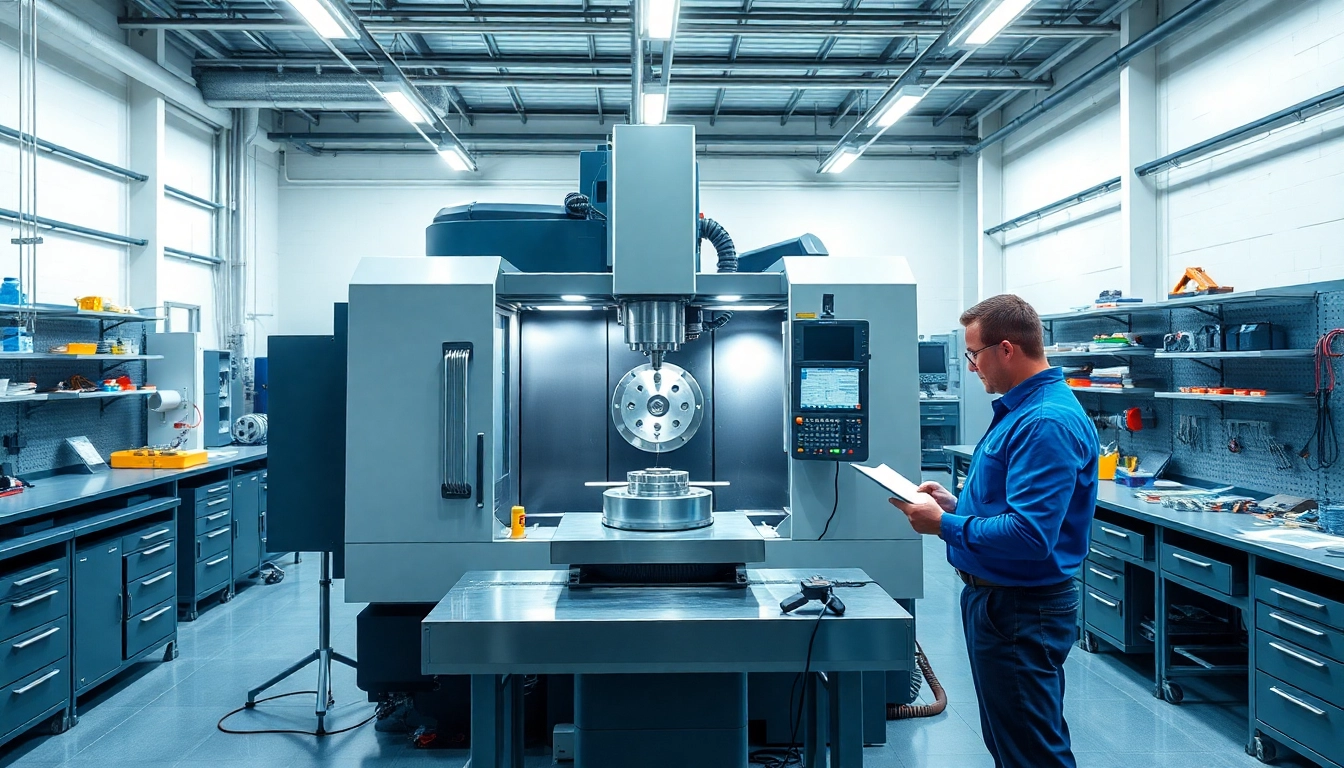
The future of structural steel construction is intertwined with technological advancements in fabrication and assembly. Innovations such as robotic welding, 3D modeling, and automated assembly processes promise enhanced precision and efficiency. These technological developments can reduce lead times and minimize wastage during the construction processes.
Integration of Smart Technologies
The incorporation of smart technologies in structural steel construction can lead to more intelligent design and operational efficiency. This includes using IoT (Internet of Things) devices for monitoring structural integrity and performance, thereby improving maintenance schedules and safety measures.
Designing for Resilience and Sustainability
In response to climate change and increased urbanization, future projects will likely focus more on resilience and sustainability. Designing buildings that can adapt to changing environmental conditions and emphasizing energy efficiency throughout the lifecycle will be critical components of future structural steel construction.
Overall, structural steel construction stands at the intersection of engineering and design, fostering advancements that will shape the buildings of tomorrow.