Understanding Cookware Types
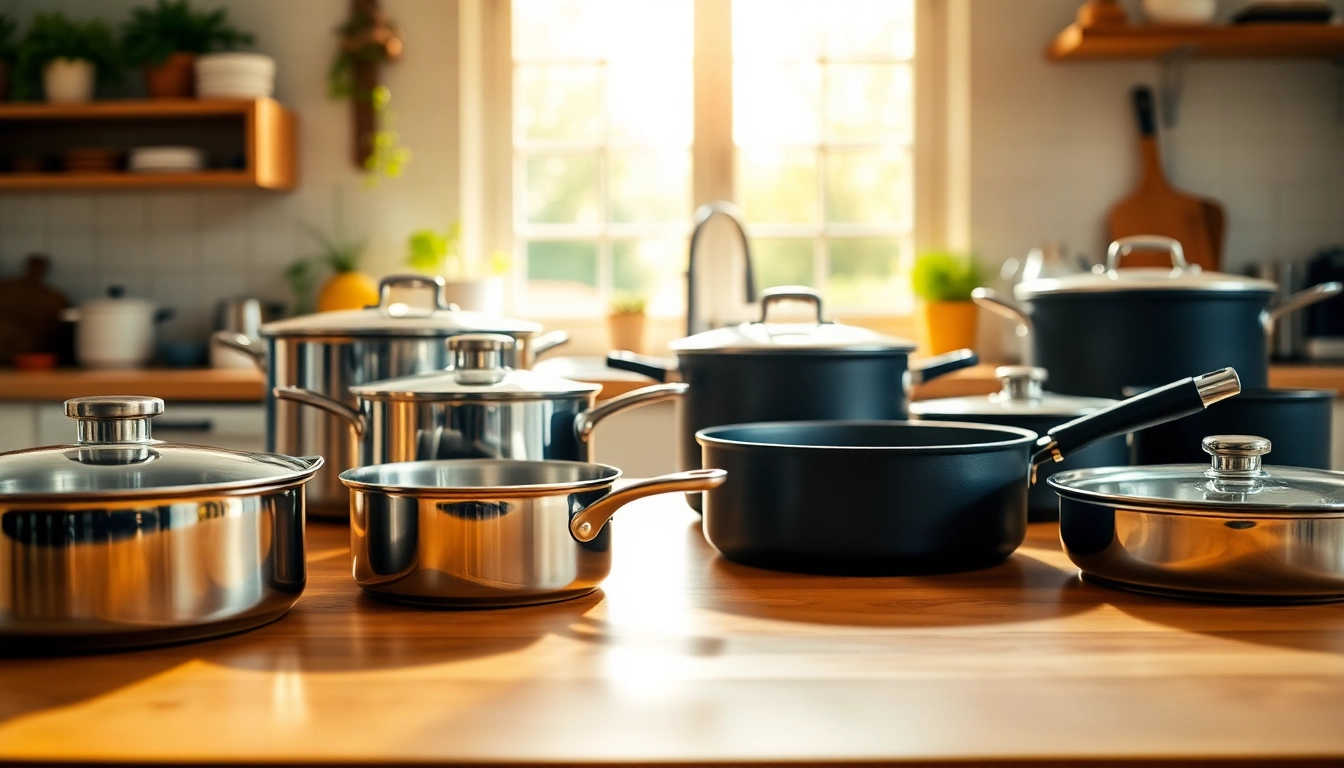
Choosing the right cookware can significantly affect your cooking performance and outcomes. As the foundation of any kitchen, cookware comes in various materials, each offering unique features and benefits. This comprehensive guide will explore different types of cookware, focusing on their advantages, the best practices for their use, and how they contribute to efficient cooking.
Stainless Steel Cookware Advantages
Stainless steel cookware is highly regarded for its durability, resilience, and non-reactive nature. Unlike other materials, stainless steel does not react with acidic or alkaline foods, making it ideal for versatile cooking. Here are some key advantages:
- Durability: Stainless steel cookware lasts for decades, resisting warping, scratching, and staining.
- Heat Resistance: This type of cookware can withstand high temperatures, allowing for techniques like searing, browning, and deglazing.
- Low Reactivity: Unlike aluminum or copper, stainless steel does not alter the flavor of foods, ensuring that ingredients maintain their intended taste.
- Easy to Clean: Most stainless steel cookware is dishwasher safe, providing convenience in maintenance.
Benefits of Non-stick Cookware
Non-stick cookware has transformed the culinary landscape, especially for home cooks seeking ease and convenience. The benefits include:
- Less Oil Required: Non-stick surfaces enable cooking with minimal oil or fat, making it a healthier choice for numerous recipes.
- Easy Food Release: Foods do not stick to the surface, allowing for effortless flipping, sautéing, and serving.
- Simple Cleaning: Non-stick cookware typically requires only a gentle wipe to clean, making it user-friendly.
However, it is important to use utensils that won’t scratch the non-stick surface, such as silicone or wooden utensils, and to avoid high heat settings that can damage the coating over time.
Choosing the Right Cookware Materials
Selecting the right cookware involves understanding the unique properties of each material. Below are some key materials used in cookware, along with their attributes:
- Cast Iron: Known for its excellent heat retention and even heating. Ideal for frying and baking, but requires careful seasoning and maintenance.
- Copper: Exceptional heat conduction makes it a favorite among professional chefs. Copper cookware can be quite expensive and requires regular polishing to maintain appearance.
- Aluminum: Lightweight and good at heat conduction, aluminum cookware often comes with non-stick coatings for added convenience. However, aluminum is prone to warping at high temperatures.
Key Features to Consider in Cookware
When investing in cookware, several features are essential to consider for optimal performance and satisfaction:
Heat Distribution and Retention
Effective heat distribution is crucial for even cooking, preventing hotspots that can scorch food. Cookware materials like copper and aluminum are excellent heat conductors, while materials like cast iron are known for heat retention. Look for cookware with thick bases to improve these qualities.
Durability and Maintenance of Cookware
Durability is a vital feature when selecting cookware. Stainless steel and cast iron are renowned for their longevity, while non-stick cookware needs gentle care to prolong its life. Regular maintenance practices, such as avoiding metal utensils on non-stick surfaces and proper cleaning of cast iron, will enhance your cookware's lifespan.
Compatibility with Cooktops
Not all cookware works on all cooktops. Ensure that the cookware you select is compatible with your stovetop type, whether it be gas, electric, ceramic, or induction. Induction cooktops require ferrous materials, such as stainless steel or cast iron, to create the magnetic field needed to heat the cookware.
How to Care for Your Cookware
Cleaning Different Cookware Materials
Cleaning techniques vary depending on the material. For example:
- Stainless Steel: Use warm soapy water and a soft sponge. For tough stains, a paste of baking soda and water can work wonders.
- Non-stick: Wipe with a soft cloth and mild detergent. Avoid steel wool or abrasive cleaners to prevent damaging the coating.
- Cast Iron: Rinse with hot water and use a stiff brush. Avoid soap and never soak. Season your cast iron after drying to protect the surface.
Seasoning Cast Iron Cookware
Seasoning is essential for cast iron cookware to maintain its non-stick properties and prevent rust. Here’s how to season:
- Clean the cookware thoroughly and dry it completely.
- Apply a thin layer of high-smoke-point oil (e.g., flaxseed or grapeseed oil) to the surface.
- Place the cookware upside down in an oven preheated to 400°F for one hour. Let it cool before use.
Storing Cookware Effectively
Properly storing cookware prevents scratches and damage. Consider the following:
- Stack cookware with protective pads or liners between pieces to avoid scratching.
- Hanging pots and pans can save space and keep cookware accessible.
- Store lids separately or use a holder to prevent scratches and deformations.
Cookware Sets versus Individual Pieces
When building your kitchen, you may wonder whether to purchase cookware sets or individual pieces. Here’s a breakdown to help in your decision-making:
Benefits of Buying Cookware Sets
Cookware sets offer a cohesive solution for outfitting your kitchen, usually featuring essential pieces in varying sizes. Some benefits include:
- Cost-Effective: Purchasing a set is often cheaper than buying each piece individually.
- Uniformity: A set achieves a consistent aesthetic in your kitchen.
- Variety: Sets typically include a range of pieces, making them suitable for multiple cooking techniques.
When to Opt for Individual Cookware
Individual pieces are a smart choice when:
- You need to replace a specific item rather than investing in an entire set.
- Your cooking style demands specialized items, such as a unique frying pan or roasting pan.
- Budget constraints make purchasing a single quality piece more feasible.
Building Your Personalized Cookware Collection
To curate a personalized cookware collection, consider your cooking habits, preferences, and kitchen size. Start with essential pieces:
- A versatile frying pan (preferably non-stick).
- A sturdy saucepan for sauces and soups.
- A stockpot for boiling pasta or making large batches of soup.
- A dutch oven for baking, braising, or slow-cooking.
As you grow into more advanced cooking techniques, you can gradually expand your collection with specialized tools.
FAQs about Cookware
What is the best cookware for beginners?
Stainless steel or non-stick cookware is ideal for beginners, as they offer versatility and ease of use.
Can I use metal utensils on non-stick cookware?
It's best to avoid metal utensils on non-stick cookware to prevent scratching and damage to the coating.
Is ceramic cookware safe?
Yes, ceramic cookware is generally safe as it's free from toxic chemicals and offers even heating.
How do I prevent food from sticking to my pots?
Preheat the pan and ensure enough oil or fat is used before adding food to prevent sticking.
What cookware is best for induction cooking?
Magnetic materials such as stainless steel and cast iron are best for induction cooktops.