Understanding Structural Steel Construction
Overview of Structural Steel Basics
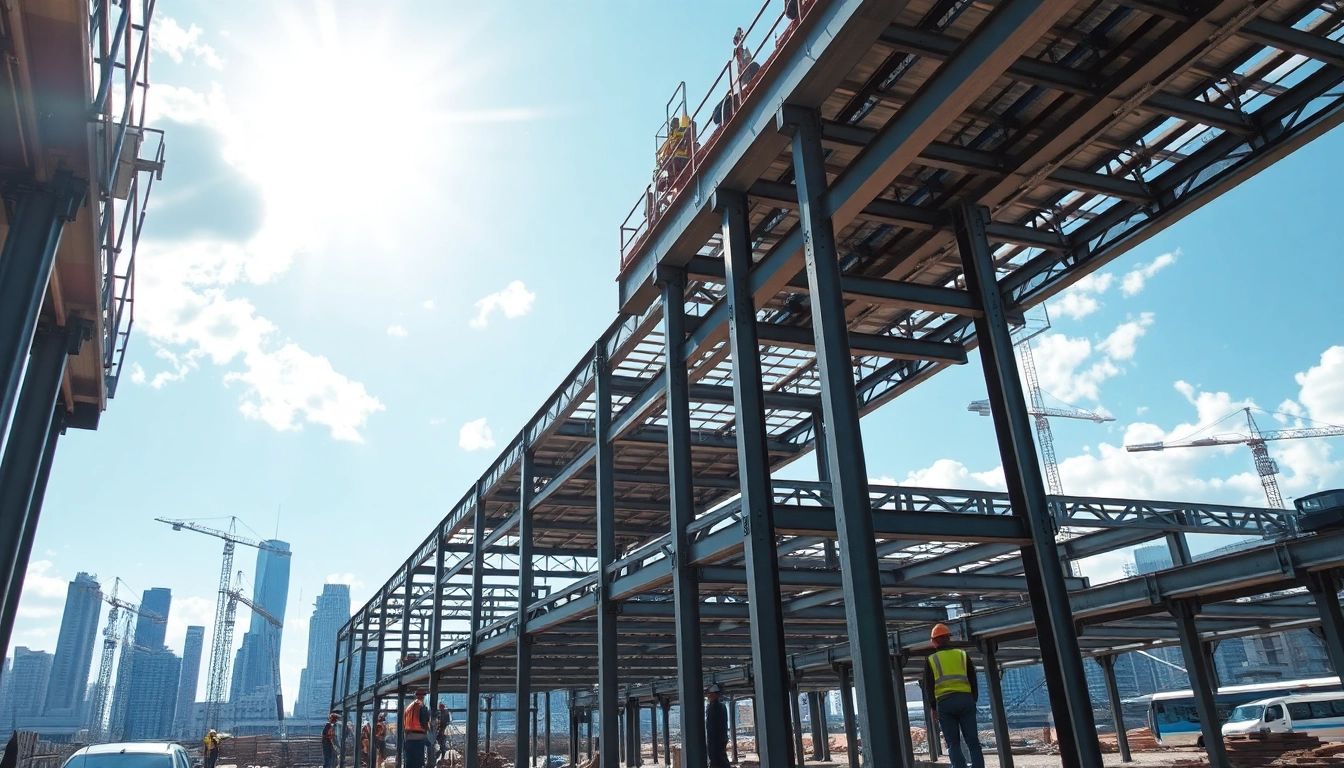
Structural steel construction has become a predominant choice for modern engineering due to its strength, durability, and versatility. At its core, structural steel involves steel buildings and frameworks that are designed to support loads. Steel is an alloy made primarily of iron and carbon, making it both robust and lightweight, allowing for the creation of complex architectural forms. The precise engineering behind structural steel construction ensures that buildings can withstand various forces such as gravity, wind, and seismic activity. Understanding these basics is essential for architects, engineers, and construction professionals who aim to leverage the full potential of structural steel.
Benefits of Using Structural Steel
One of the most compelling reasons for choosing structural steel is its exceptional strength-to-weight ratio, allowing for taller structures without the need for excessive material. This results in fewer materials used and, consequently, lesser demand on natural resources. Moreover, structural steel is highly malleable, enabling intricate designs that can meet aesthetic requirements without compromising functionality. The structural steel construction processes boast rapid assembly times compared to traditional methods, significantly reducing project timelines.
Additionally, structural steel is resistant to various environmental factors, including humidity and pests, which often afflict wooden structures. Another significant benefit is sustainability; steel can be recycled, and using recycled steel reduces the carbon footprint of construction projects. When combined with advancements in protective coatings and corrosion prevention, structural steel construction can offer longevity and durability while remaining environmentally responsible.
Common Applications in Modern Projects
Structural steel finds applications across a multitude of construction sectors. It is particularly prevalent in commercial buildings, where large open spaces are preferred and load-bearing capabilities are essential. High-rise buildings, bridges, warehouses, and even industrial facilities often utilize structural steel due to its scalability and efficiency.
Sports facilities and auditoriums also make extensive use of steel frameworks, allowing for larger spans without obstructive support columns. Furthermore, the flexibility of steel allows for easy modifications and expansions down the line, making it a smart choice for projects requiring future adaptabilities, such as office buildings that may later need to be adjusted for different tenants.
Design Considerations for Structural Steel
Choosing the Right Steel for Your Project
When embarking on a structural steel construction project, selecting the appropriate type of steel is a crucial first step. Several factors must be considered, including the project's purpose, load requirements, environmental conditions, and aesthetic desires. For example, carbon steel blends well for general applications due to its high strength and low cost, whereas stainless steel offers superior corrosion resistance and can be advantageous for structures exposed to harsh weather conditions.
Grade specifications delineate the mechanical properties of the steel, influencing decisions on material selection. For instance, S235 steel is often used for its pliability, while S355 steel offers higher yield strength and is suitable for highly loaded structures. Moreover, the choice of coatings and finishes can also affect performance and maintenance considerations, reinforcing the need for informed decision-making during the design phase.
Fundamental Engineering Principles
Once the type of steel is chosen, understanding foundational engineering principles is key to successful structural steel construction. Important concepts include load paths, bending moments, shear forces, and torsion. When designing a steel structure, engineers must ensure that all loads are adequately accounted for, which involves analyzing how loads will be distributed and identifying potential stress points.
Finite Element Analysis (FEA) is a significant tool widely used in the design of steel structures. This computer-based method helps in simulating how a structure would respond to various forces, predicting potential points of failure before construction begins. A thorough grasp of these principles not only aids in crafting structures that can withstand the test of time but also supports compliance with necessary engineering codes and standards.
Integrating Aesthetics and Functionality
In modern architectural design, the aesthetics of a structure are just as important as its functionality. Structural steel allows for innovative designs that blend beauty and utility. Architectural steel, such as exposed beams and steel frames, can bring a raw elegance to commercial and residential buildings alike.
Designers can utilize techniques like steel cantilevers and trusses to create visually striking elements while ensuring structural integrity. Lighting and open spaces can also be incorporated without compromising load-bearing capabilities when steel is employed efficiently. Ultimately, the goal is to create spaces that inspire while fulfilling practical requirements of form and function.
Best Practices in Structural Steel Construction
Safety Protocols and Standards
Safety is paramount in every construction project, particularly in structural steel construction, where heavy materials and high elevations are involved. Rigorous safety protocols must be followed to mitigate risks associated with steel erection and fabrication. This includes adhering to OSHA standards and ensuring that all workers are equipped with proper safety gear, such as helmets, harnesses, and reflective vests.
Regular safety training and drills are necessary to prepare for adverse situations, such as equipment malfunctions or inclement weather. Safety audits should also be conducted at each phase of construction to ensure compliance with established procedures and practices aimed at minimizing incidents on-site.
Efficient Project Management Techniques
Effective project management plays a vital role in the successful execution of structural steel construction projects. This begins with meticulous planning that outlines timelines, budgets, and resource allocation. Employing project management tools and techniques, such as Gantt charts and Kanban boards, can increase transparency and foster collaboration among stakeholders.
Regular project updates and meetings will help address challenges swiftly and adjust timelines or change orders as necessary. Additionally, engaging in early procurement strategies can prevent material delays and supply chain disruptions that often plague the construction industry.
Quality Assurance in Fabrication and Assembly
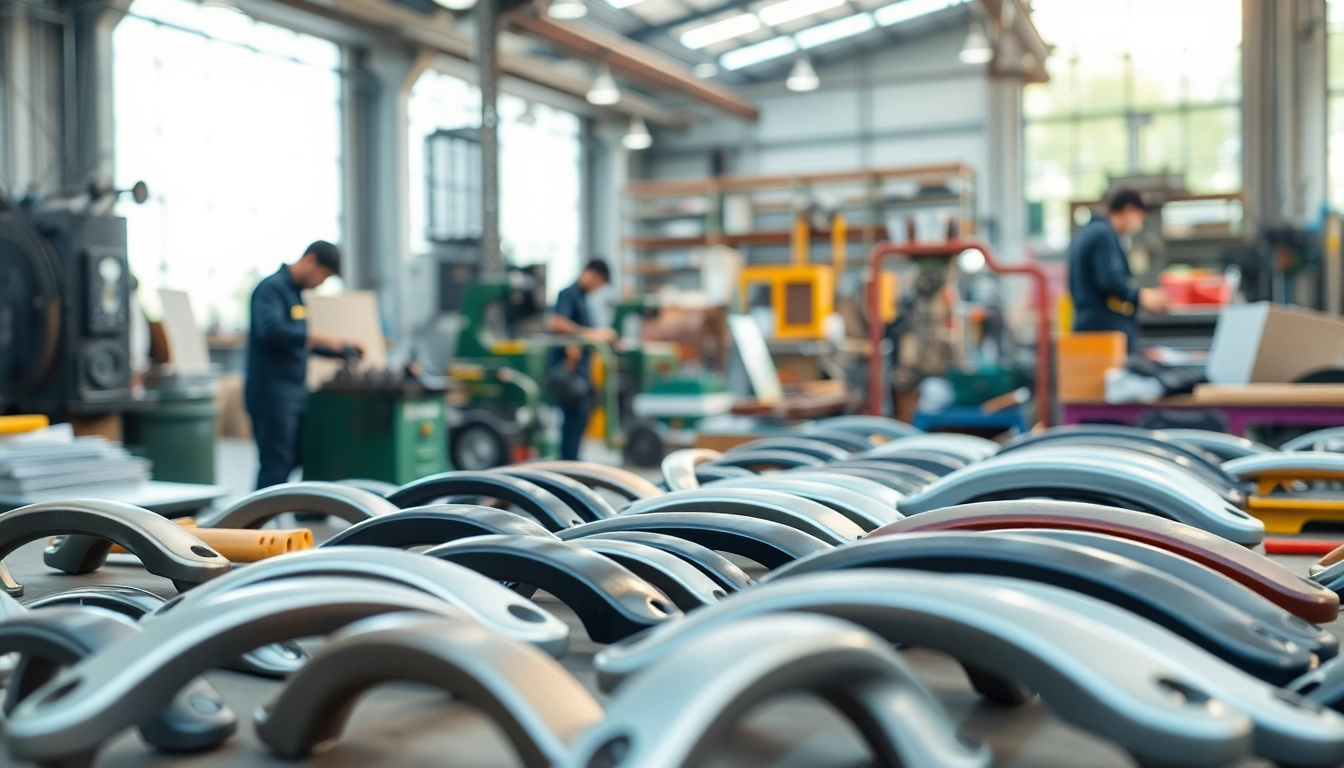
Quality assurance (QA) measures must be rigorously implemented at every stage of structural steel construction. Quality control begins in the fabrication facility, where steel elements are cut, shaped, and assembled according to precise specifications. Regular inspections and testing ensure compliance with codes and industry standards.
During assembly on-site, effective communication between engineers, fabricators, and construction crews minimizes errors, making quality checks in real-time an important practice. Documentation of these processes provides accountability and traceability essential for quality assurance and can be helpful for future projects.
Challenges in Structural Steel Construction
Addressing Environmental and Regulatory Issues
As with any construction method, structural steel construction must comply with a variety of environmental regulations. These include noise, air quality, and waste disposal standards, and it is crucial for construction firms to remain informed about local laws pertinent to construction activities. Environmental impact assessments should be conducted to evaluate how a project may affect the surrounding ecosystem, ensuring environmentally friendly practices are employed.
Furthermore, steel manufacturing itself can be energy-intensive, prompting a need for forward-thinking strategies to mitigate these impacts. Exploring modules for energy-efficient fabrication processes and determining opportunities to repurpose materials can contribute to sustainable project outcomes.
Overcoming Supply Chain Disruptions
Recent events have highlighted vulnerabilities within supply chains affecting the construction sector, notably fluctuations in steel availability and cost. To combat this, companies are encouraged to build relationships with multiple suppliers to diversify their procurement sources. Implementing just-in-time inventory management can minimize capital tied up in materials while ensuring that necessary structural components are on hand when required.
Additionally, staying aware of global supply chain trends, including tariffs and geopolitical factors, can help firms make informed strategic decisions and maintain project continuity despite potential disruptions.
Mitigating Risks during Construction
Risk management is an integral part of any construction project, particularly in structural steel construction where complexities in design and material handling are prevalent. Employing a comprehensive risk mitigation plan can help identify potential issues throughout the project lifecycle, ensuring proactive measures are implemented before they could escalate into costly delays or failures.
This involves regular site evaluations, establishing contingency plans, and fostering a culture of open communication. By empowering workers to report safety concerns or operational inefficiencies, a project is better positioned to handle setbacks in a timely manner.
Future Trends in Structural Steel Construction
Advancements in Steel Technology
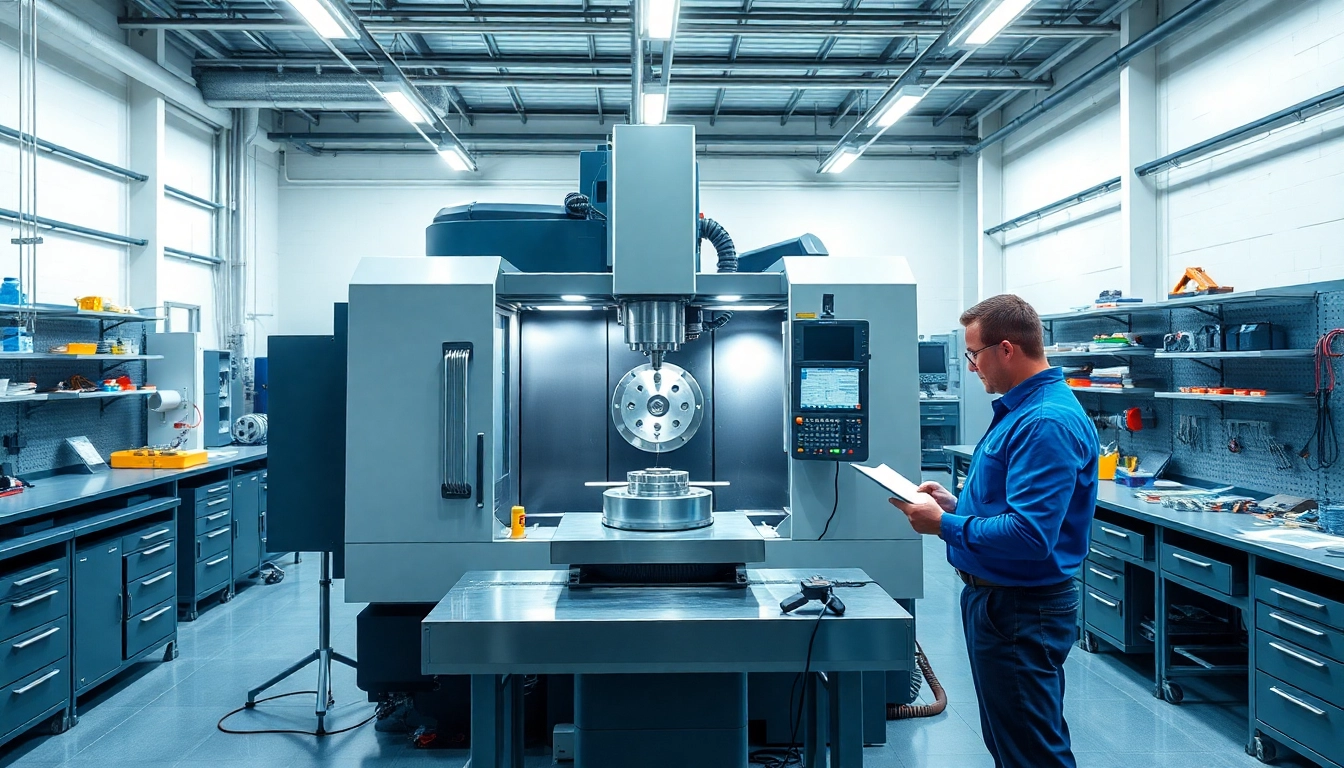
The structural steel industry is experiencing rapid technological advancements that promise to enhance the efficiency and capabilities of construction practices. Developments in steel production techniques, such as the use of high-strength steel alloys, allow for the construction of lighter, yet stronger structures. Innovations in automated fabrication technologies also lead to increased precision and reduced labor costs, streamlining the construction process.
Moreover, nanotechnology is emerging as a game-changer in the development of corrosion-resistant coatings that improve steel's longevity, further extending the life of structural components.
Sustainability in Structural Steel Solutions
As the global focus on sustainability grows, the structural steel industry is continuously exploring more eco-friendly practices. This includes increasing the use of recycled materials in production and developing greener manufacturing processes that both reduce energy consumption and carbon emissions. Designing structures with longevity in mind and incorporating low-impact materials when feasible can further advance sustainability goals within the industry.
Moreover, implementing life-cycle assessments (LCAs) to evaluate the environmental impacts of steel throughout its life — from extraction and processing to reuse and recycling — fosters a more sustainable approach in project planning and execution.
Impact of Digital Tools on Construction Efficiency
The integration of digital tools and Building Information Modeling (BIM) is revolutionizing project planning and management when it comes to structural steel construction. These technologies allow for the 3D visualization of projects, improving design accuracy and providing a platform for collaboration among all parties involved.
Additionally, leveraging geographical information systems (GIS) can aid in site analysis and planning, while real-time data analytics provide critical insights for optimizing project schedules and resource allocation. As the industry adapts to these evolving technologies, structural steel construction will become increasingly efficient, reducing costs and improving time management.