Understanding Interior Design Dubai: An Overview
Dubai is a city that embodies luxury and modernity, and interior design dubai perfectly encompasses these characteristics. The city's interior design scene is not just about aesthetics; it reflects the culture, climate, and urban lifestyle that are unique to this vibrant metropolis. This article deep dives into the definition, history, current trends, key elements, cost factors, and future innovations within Dubai's interior design, offering insights that are both valuable and actionable for homeowners and designers alike.
1. Definition and Importance of Interior Design
Interior design involves the art and science of enhancing the interior of a building to achieve a healthier and more aesthetically pleasing environment. It bridges architecture with artistic sensibility, ensuring that spaces are not only visually appealing but also functional. In Dubai, the importance of interior design is magnified due to the city's rapid urbanization and diverse population, leading to a growing demand for personalized spaces that reflect individual lifestyles and cultural preferences.
2. Historical Context of Interior Design in Dubai
Dubai's interior design journey mirrors its transformation from a modest trading port to a global hub. In the early 20th century, local homes reflected traditional Emirati culture, characterized by intricate carvings, vibrant textiles, and an emphasis on communal living. With the oil boom and the influx of expatriates in the late 20th century, international design trends began to influence local styles. Today, Dubai is a melting pot of modern, traditional, and eclectic design influences, making its interior design landscape one of the most dynamic in the world.
3. Current Trends Shaping Interior Design Dubai
Current trends in Dubai's interior design include a blend of minimalism, maximalism, and a focus on sustainability. Designers are increasingly incorporating sustainable materials and energy-efficient technologies. Furthermore, the influence of technology, such as smart home systems, is becoming prevalent, enabling better control of light, temperature, and security. Cultural elements are also making a comeback, with the incorporation of traditional patterns and materials, fostering a sense of place and identity.
Key Elements of Interior Design Dubai
1. Space Planning Strategies
Effective space planning is crucial in maximizing functionality while ensuring aesthetic appeal. In Dubai, where living spaces can be both compact and luxurious, designers must think creatively. Strategies such as using multifunctional furniture, optimizing layout for natural light, and creating open-space designs are essential. Understanding the balance between personal space and communal living is particularly vital in Dubai's multicultural context, where family structure and lifestyles vary greatly.
2. Color Theory Applications in Dubai Interiors
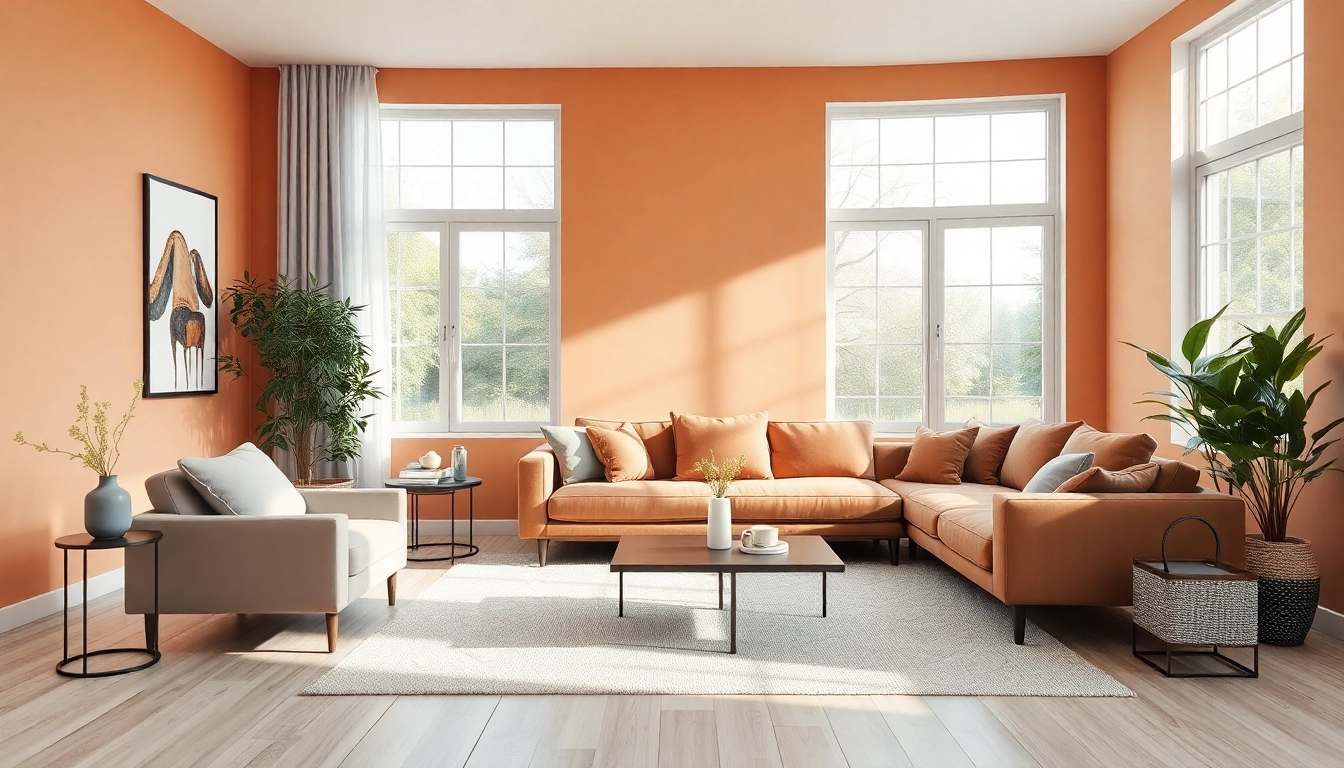
Color plays a significant role in establishing the mood of a space. In Dubai, designers often use warm, earthy tones paired with vibrant accents drawn from nature and the urban environment. Color psychology suggests that colors can evoke emotional responses; thus, understanding their impact is crucial. For instance, neutral shades can create a calming effect, while bold colors can energize a space, making them ideal for dynamic, high-traffic environments like offices and commercial spaces.
3. Material Choices for Contemporary Homes
The choice of materials is paramount in creating a luxurious and inviting atmosphere. High-quality finishes such as marble, natural wood, and metals are prevalent in Dubai's luxury interiors. Furthermore, there is a growing trend towards eco-friendly materials that promote sustainability. Emerging materials like recycled glass and bamboo are gaining traction, allowing homeowners to create stunning interiors that reflect a commitment to environmental responsibility.
Cost Factors in Interior Design Dubai
1. Average Costs for Residential Projects
Understanding the financial aspects of interior design is crucial for prospective clients. The costs can vary dramatically based on the type of property, scale of renovation, and choice of materials. For example, a studio apartment may cost between AED 10,000 and AED 25,000 for design and decoration, while larger villas can range from AED 80,000 to AED 250,000 or more depending on the complexity of the project.
2. Commercial Interior Design Costs
Commercial spaces often require a different approach due to regulatory considerations and the need for durability and functionality. Average costs for commercial interior design can range from AED 50 to AED 300 per square foot. It's essential for business owners to align their design choices with their brand identity while maintaining budget control, leveraging professional insights to achieve their objectives.
3. Budgeting for Luxury Design
Opting for luxury interior design in Dubai necessitates careful budgeting. Luxury doesn’t just involve premium materials but also bespoke services and tailored designs. Clients should consider not only the initial costs but also the long-term value of investments in quality products. Understanding the total cost of ownership, including maintenance and potential renovations, can ensure satisfaction over the long term.
Working with Interior Designers in Dubai
1. How to Choose the Right Designer
Finding the right interior designer in Dubai involves assessing several factors including experience, portfolio, and design philosophy. Prospective clients should seek professionals whose style resonates with their vision and who can demonstrate a successful track record in similar projects. Personal rapport and communication style are also critical, as a successful design process relies on collaboration and trust.
2. The Design Process and What to Expect
The interior design process generally includes several phases: initial consultation, concept development, design execution, and final delivery. Designers will usually begin by understanding the client’s needs and preferences, followed by creating mood boards and design proposals. It’s important for clients to remain engaged throughout the process to ensure that the final outcome aligns with their expectations.
3. Collaboration Tips for Successful Outcomes
Effective collaboration is key to achieving desirable results in interior design. Regular communication and feedback sessions can foster a positive relationship between the client and designer. Clients should provide clear preferences and be open to suggestions while designers should maintain transparency about timelines and costs. Establishing a shared vision can streamline the decision-making process and mitigate potential conflicts.
Future of Interior Design Dubai: Innovations on the Horizon
1. Sustainable Design Practices
The future of interior design in Dubai is leaning heavily towards sustainability. With increased awareness of environmental issues, designers are prioritizing eco-friendly practices by using sustainable materials, energy-efficient systems, and promoting biophilic design, which integrates natural elements into interiors. As regulatory bodies push for greener buildings, these practices will likely become standards rather than options.
2. Technology Integration in Space Design
Technology is revolutionizing interior design in Dubai, from 3D visualization tools that enable clients to virtually experience spaces before completion to smart home technology that enhances functionality and security. The integration of technology into design processes improves accuracy and efficiency while offering clients greater control over their environments through user-friendly interfaces.
3. Market Predictions for Interior Design Services
As Dubai continues to grow as a global hub, the demand for innovative and exceptional interior design services is expected to rise. The market will likely see an increase in hybrid design approaches that combine local heritage with international styles. Furthermore, with a significant influx of remote workers, there will be a rising focus on creating versatile spaces that accommodate both residential and work needs.
Frequently Asked Questions
What are average costs for hiring an interior designer in Dubai?
Hire an interior designer in Dubai averages AED 10,000 for studio remodels to AED 250,000+ for luxury villas, depending on project scope and complexity.
What are the characteristics of luxury in interior design?
Luxury interior design involves bespoke services, high-quality materials, tailored furnishings, and aesthetic elements catering to unique client lifestyles.
Is residential or commercial design more challenging?
Residential design focuses on comfort and personal style, while commercial design prioritizes functionality and compliance with regulations, making each a unique challenge.
What trends influence Dubai's interior design today?
Popular trends include luxury minimalism, sustainable materials, smart home technology, and the fusion of contemporary designs with cultural elements from the region.
Can I undertake a DIY interior design project in Dubai?
While DIY projects are possible, hiring a professional can enhance functionality and design quality, particularly for larger spaces requiring expert consideration.