Understanding GRP Grating
What is GRP Grating?
Glass Reinforced Plastic (GRP) Grating is a composite material made by combining fiberglass layers with resin. This innovative approach creates a strong, lightweight, and durable product used extensively in various industrial and commercial applications. GRP grating provides a non-corrosive alternative to traditional steel or aluminum grating, offering significant advantages in many environments.
Benefits of Using GRP Grating
The adoption of GRP grating comes with a myriad of benefits:
- Lightweight: GRP grating is much lighter than metal alternatives, simplifying installation and reducing shipping costs.
- Corrosion Resistance: Resistant to rust and chemicals, making it ideal for harsh environments like chemical plants and coastal facilities.
- Low Maintenance: Its durability means lower maintenance costs over time compared to metal options, which may require regular upkeep.
- Easy Installation: Its design allows for straightforward installation, often requiring fewer tools and manpower.
- Safety Features: Many GRP gratings are designed with anti-slip surfaces, enhancing safety in high-traffic areas.
Common Applications for GRP Grating
GRP grating is versatile and can be found in numerous applications, including:
- Walkways and Platforms: Ideal for foot traffic areas in industrial settings, enhancing safety and efficiency.
- Stair Treads: Often used in stair systems where slip resistance is paramount.
- Drain Covers: Used in drainage systems due to their strength and resistance to environmental factors.
- Marine Applications: Common in docks and marinas where exposure to water and salt is prevalent.
- Aquaculture: Frequently utilized in fish farming environments due to its resistance to corrosive elements.
Identifying a Reliable GRP Grating Supplier
Key Qualities of a Good Supplier
When searching for a reliable GRP Grating Supplier, consider the following key traits:
- Quality Assurance: Look for suppliers who emphasize strict quality standards and offer warranties on their products.
- Customer Service: A responsive and knowledgeable customer support team can make your procurement process smoother.
- Technical Expertise: Suppliers should provide guidance on product selection that best fits your project's needs.
- Customization Capabilities: Some projects may require customized solutions; a good supplier should be able to accommodate these demands.
Important Certifications and Standards
Certifications play a crucial role in determining the reliability of a supplier. Look for certifications that indicate compliance with industry standards, such as:
- ISO Certified: Indicates adherence to quality management principles.
- ASTM Standards: Compliance with specifications for materials and testing methods.
- CE Marking: Demonstrates compliance with European health, safety, and environmental protection standards.
Evaluating Supplier Experience and Reputation
Checking the supplier's background is vital. Consider how long they have been in the industry, the variety of projects completed, and customer testimonials to gauge their reputation. A supplier with a proven track record is more likely to meet expectations reliably.
Types of GRP Grating Available
Molded vs. Pultruded Grating
GRP grating primarily comes in two forms: molded and pultruded.
- Molded Grating: Created by a process that pours resin and fiberglass into a mold. It allows for complex shapes and designs, making it suitable for various applications.
- Pultruded Grating: Manufactured by pulling resin-soaked glass fibers through a heated die, resulting in a more uniform profile. It is generally stronger and used in high-load applications.
Specialty Grating Options
In addition to standard molded and pultruded grating, several specialty options cater to specific needs:
- Phenolic Grating: Offers enhanced fire resistance, making it suitable for industrial applications with flammable materials.
- Colored Grating: Available in different colors for aesthetic purposes or to improve visibility in industrial settings.
- Heavy-Duty Grating: Designed for environments that require additional strength due to heavier anticipated loads.
Load-Bearing Capacities
Understanding the load-bearing capacities of GRP grating is essential for safety. Manufacturers provide detailed load charts to assist in selecting the correct product for specific applications, considering factors such as:
- Uniformly Distributed Loads (UDL)
- Concentrated Loads
- Free Span Lengths
Installation Considerations for GRP Grating
Tools and Materials Required
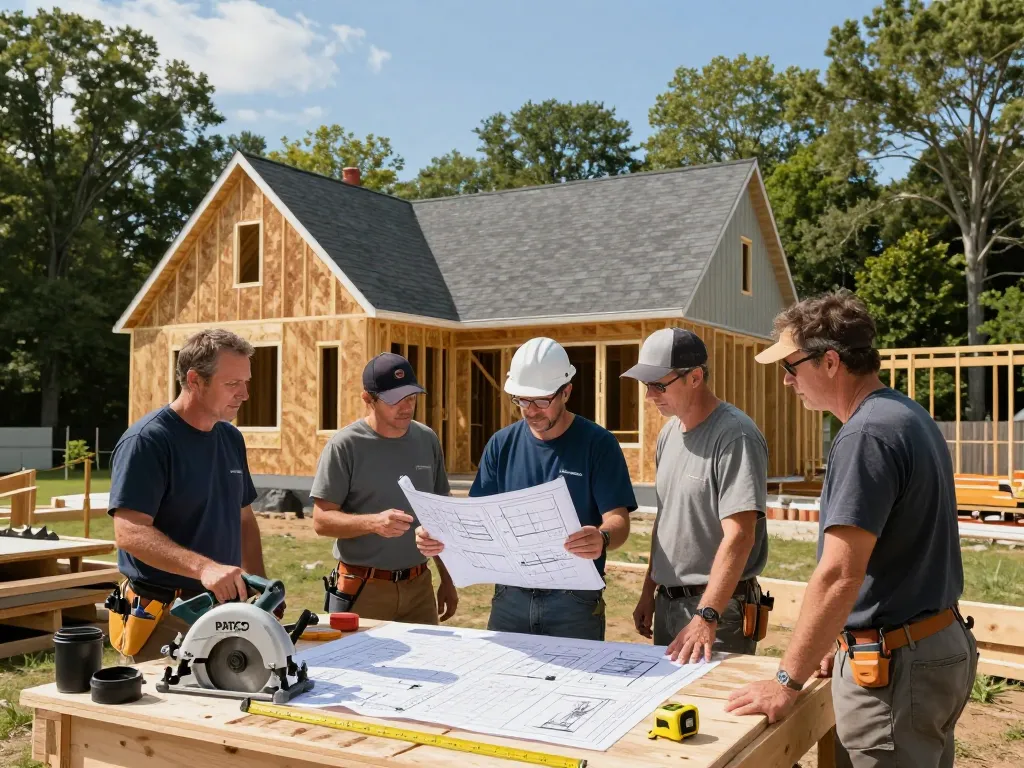
Installing GRP grating does not require specialized tools, but specific items make the job easier. You will need:
- Measuring Tape
- Cutting Tools (saw suitable for composites)
- Fastening Equipment (screws, bolts, or clips as appropriate)
- Safety Equipment (gloves, goggles)
Step-by-Step Installation Process
Follow these steps for installing GRP grating effectively:
- Prepare the Area: Ensure the installation site is clean and free from debris.
- Measure and Cut: Use accurate measurements to cut grating to fit your space, if necessary.
- Lay out the Grating: Position the grating in place, ensuring it fits properly with any adjacent components.
- Secure the Grating: Use the proper fastening methods as recommended by the manufacturer.
- Inspect the Installation: Conduct a thorough check to ensure stability and security.
Maintenance Tips for Longevity
Grating maintenance ensures its longevity. Simple steps include:
- Regular Cleaning: Remove debris to prevent accumulation.
- Periodic Inspections: Check for signs of wear or damage.
- Prompt Repairs: Address any damage immediately to prevent further issues.
Cost Factors for GRP Grating Products
Budgeting for Your Project
Estimating costs for GRP grating involves several factors including material, installation, and maintenance expenses. Having a clear budget will enable you to make informed choices during the procurement process.
Comparative Analysis of Costs
When analyzing grating costs, consider not just initial expenses but long-term savings associated with lower maintenance and replacement costs. GRP often emerges as a more cost-effective solution when lifecycle costs are considered.
Long-Term Savings with GRP Grating
While the upfront costs might be comparable to metal options, the long-term savings associated with GRP grating are notable. These can include lower maintenance costs, durability leading to fewer replacements, and reduced safety liabilities due to enhanced slip resistance.
Frequently Asked Questions (FAQs)
1. What is GRP grating used for?
GRP grating is used in various applications including walkways, platforms, and stair treads due to its lightweight and corrosion-resistant properties.
2. How durable is GRP grating compared to steel?
GRP grating is highly durable, resistant to rust and chemicals, making it often last longer than steel in corrosive environments.
3. Can GRP grating be customized?
Yes, GRP grating can be customized in terms of size, color, and design to meet specific project requirements.
4. Is GRP grating easy to install?
GRP grating is relatively easy to install and does not typically require specialized tools, making it accessible for many projects.
5. What maintenance is required for GRP grating?
Maintenance is minimal; regular cleaning, periodic inspections, and prompt repairs are sufficient to maximize its lifespan.