The Austin Construction Landscape
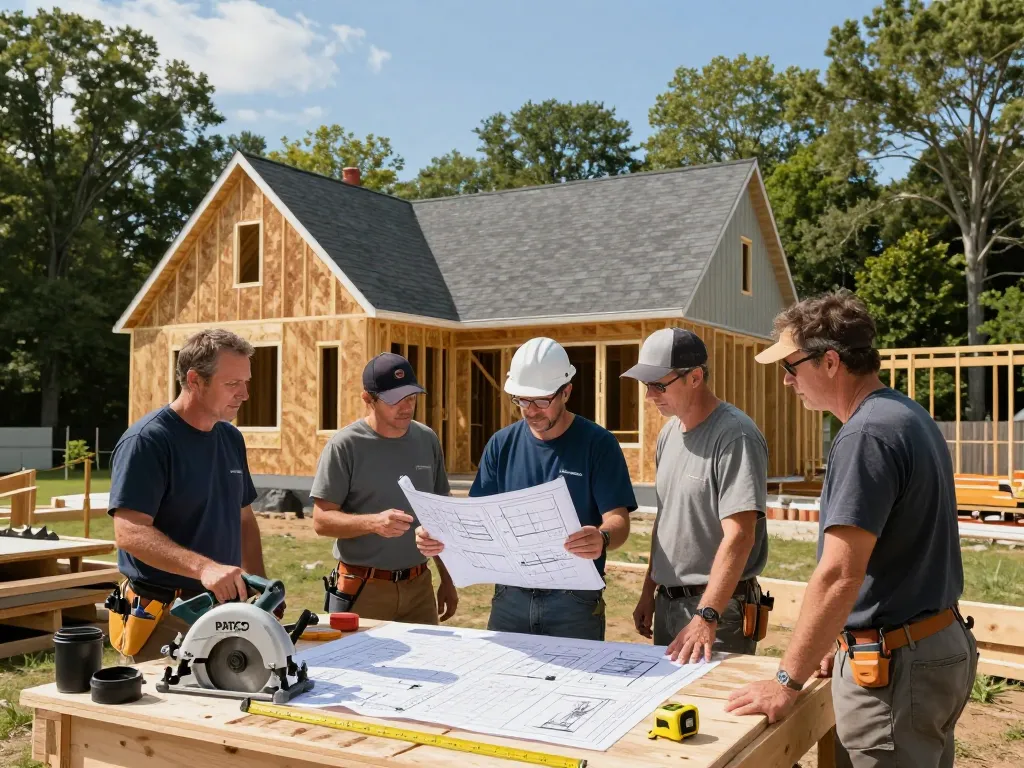
Austin, Texas is rapidly transforming into one of the most dynamic cities in the United States, with the construction sector at the forefront of this change. The demand for Austin construction services has surged in response to the city's unprecedented population growth and economic expansion. This article provides an in-depth look at the current landscape of construction in Austin, examining recent developments, key players, significant projects, and more.
Overview of Recent Developments
The last few years have seen a remarkable influx of residents and businesses into Austin. According to data, from 2020 to 2024, Austin's population grew by over 10.9%, marking it as the fastest-growing large metropolitan area in the U.S. This growth is primarily driven by an influx of young professionals, tech workers, and individuals relocating from more expensive cities such as San Francisco and New York. As a result, the demand for residential and commercial construction has intensified.
To accommodate this surge, the construction industry has adapted by increasing efforts to meet housing and infrastructure needs. A significant number of new projects are underway; these include high-rise apartments, office spaces, and public infrastructure improvements. The city has also prioritized affordable housing initiatives, recognizing the necessity of keeping pace with its booming population.
Key Players in Austin Construction
The Austin construction landscape features a variety of companies that cater to diverse sectors. Major players include:
- Austin Industries: With over 7,000 employee-owners, Austin Industries offers civil, commercial, and industrial construction services and is considered one of the largest construction firms in Texas.
- The Austin Company: This contractor provides a wide range of services from general contracting to construction management, emphasizing project planning and execution.
- Hensel Phelps: Known for its leadership in general contracting and commitment to sustainability, Hensel Phelps is involved in many landmark developments across the region.
In addition to these larger firms, many local contractors are specializing in residential projects, catering to the unique demands of Austin homes.
Major Projects Shaping the City
Several key projects define the current construction landscape in Austin, including:
- The Project Connect: A transit-oriented development aimed at expanding the city's public transportation system, enhancing accessibility and reducing traffic congestion.
- The Austin-Bergstrom Airport Expansion: A project set to modernize and expand the airport’s capacity, with completion expected by 2026. This expansion is crucial to accommodating the growing number of travelers.
- The Domain Expansion: A mixed-use development that aims to add additional retail, office, and residential space to this upscale shopping district, providing a vibrant urban experience.
These projects not only contribute to the physical fabric of Austin but also reflect the city’s commitment to sustainable and inclusive growth.
Understanding the Demand for Construction in Austin
Population Growth and Its Impact
The rapid population increase in Austin has fueled a significant demand for housing and infrastructure. This demand is primarily driven by the influx of younger professionals seeking employment opportunities in the booming tech scene. As companies like Apple, Google, and Tesla expand their operations in the region, the need for constructing new office spaces and residential units has become paramount.
The challenge for the construction industry lies in balancing quick responses to this demand while ensuring quality and sustainability. Developers are increasingly focusing on building high-density housing solutions to efficiently accommodate new residents.
Trends in Real Estate Development
The real estate market in Austin is evolving, with several trends emerging in construction:
- Sustainable Building Practices: Many developers are adopting green building standards, using sustainable materials, energy-efficient designs, and investing in renewable energy sources.
- Mixed-Use Developments: Projects that integrate residential, commercial, and retail spaces are on the rise, allowing residents to live, work, and play in the same area.
- Affordable Housing Initiatives: There is a growing emphasis on building affordable housing options to counter rising rent prices and meet the needs of lower-income residents.
Challenges Facing Construction Companies
Despite the burgeoning demand, the construction industry in Austin faces numerous challenges, including:
- Labor Shortages: The rapid pace of construction has led to shortages of skilled labor, causing delays and increasing costs.
- Supply Chain Disruptions: The ongoing effects of global supply chain issues have made it challenging to source materials needed for construction.
- Regulatory Hurdles: Navigating the myriad of local regulations and obtaining permits can slow project timelines.
Types of Construction Services in Austin
Residential Construction Opportunities
The residential sector in Austin is diverse, encompassing various construction types, including single-family homes, apartment buildings, and townhouses. One emerging trend is the development of “tiny homes” and eco-friendly housing options aimed at young professionals and environmentally conscious buyers. Developers are also focusing on creating communities that incorporate amenities and resources for residents, fostering a sense of community.
With the increase in remote work, home office space has become a priority for many buyers, leading to innovative designs that maximize utility in smaller homes.
Commercial Building Trends
Office spaces are being reimagined in response to changing work environments. Companies are looking for flexible spaces that can accommodate hybrid work models, resulting in a demand for adaptable layouts and shared facilities. Developers are increasingly incorporating recreational spaces and amenities into commercial projects to enhance employee satisfaction and attract talent.
Moreover, commercial developments are focusing on smart technology integration, allowing for improved energy efficiency and operational management.
Infrastructure and Public Works Projects
Infrastructure projects are essential for addressing the needs of a growing population. Major investments are being made in transportation, water supply, and waste management systems to ensure they can support the city’s future growth. The expansion of public transit systems, alongside improvements in road infrastructure, will play a vital role in reducing traffic congestion and improving accessibility throughout Austin.
Best Practices for Construction Companies
Effective Project Management Techniques
Successful construction projects require meticulous planning and execution. Companies are adopting project management methodologies such as Agile and Lean to optimize their operations. By employing these techniques, construction firms can improve communication, reduce waste, and enhance productivity. Utilizing project management software tools helps teams stay organized and informed throughout all project stages.
Sustainable Building Practices
With the increasing awareness of environmental issues, sustainable building practices have become imperative in Austin construction. Companies are now prioritizing sustainable sourcing of materials, employing energy-efficient building techniques, and seeking green certifications such as Leadership in Energy and Environmental Design (LEED). These practices not only benefit the environment but also can lead to long-term cost savings and market advantages.
Safety Regulations and Compliance
Safety must be a top priority in construction. Ensuring compliance with Occupational Safety and Health Administration (OSHA) regulations is crucial for protecting workers and minimizing liabilities. Construction companies should implement comprehensive safety training programs and regular safety audits to maintain compliance and protect their workforce.
The Future Outlook for Austin Construction
Predictions for 2025 and Beyond
The construction landscape in Austin is expected to continue evolving in the coming years. As projects initiated during prior years come to completion, new demands will arise, particularly in affordable housing, commercial spaces, and infrastructural improvements. Experts predict a gradual stabilization in the market after experiencing significant fluctuations due to economic uncertainties. However, innovation and adaptive strategies will be essential for firms looking to thrive in this dynamic market.
Emerging Technologies in Construction
Technological advancements are set to transform the construction industry profoundly. Building Information Modeling (BIM) is becoming standard practice, enabling improved collaboration and project visualization. Additionally, the integration of drones for site surveys and inspections is increasing efficiency and reducing potential risks. Companies that embrace these technologies will gain a competitive edge.
How to Stay Competitive in the Austin Market
To remain competitive in this rapidly changing market, construction companies should focus on building strong relationships within their networks, continually adapting to emerging trends, and investing in employee training and development. Staying informed about local regulations and market needs will be crucial as Austin continues to grow.
In conclusion, Austin's construction landscape is vibrant and continuously evolving, driven by rapid population growth and economic expansion. As challenges arise, the industry’s adaptability and commitment to sustainability will shape the future of construction in this remarkable city.