


In today’s rapidly evolving world, protecting your home has become more critical than ever. Homeowners are increasingly turning to technology to safeguard their properties, and among the most effective tools are home security cameras. Selecting the Best Home Security Cameras requires careful consideration, as not all systems are created equal. This guide will walk you through everything you need to know, from understanding different types of cameras to evaluating features, installation considerations, and long-term maintenance. By the end, you’ll be equipped to make an informed decision that ensures both safety and peace of mind.
- Understanding the Importance of Home Security Cameras
- Types of Home Security Cameras
- Key Features to Look For
- Installation Considerations
- Integration with Smart Home Systems
- Privacy and Data Security
- Maintenance and Longevity
- Budget Considerations
- Common Mistakes to Avoid
- Professional Installation vs. DIY
- Emerging Technologies in Home Security Cameras
- Comparing Top Brands and Models
- Conclusion
- Frequently Asked Questions
Understanding the Importance of Home Security Cameras
Home security cameras serve as both a deterrent and a monitoring tool. Their presence alone can dissuade potential intruders, while advanced systems provide real-time monitoring, motion detection, and instant notifications. Modern cameras are no longer just passive devices; they are intelligent systems capable of integrating with smart home networks, analyzing video footage, and even recognizing familiar faces.
When choosing the best home security cameras, it’s crucial to consider your specific security needs. Are you protecting a suburban home, a high-rise apartment, or a rural property? Each scenario demands different camera types, features, and coverage strategies. Security cameras are an investment in your home and personal safety, and understanding their capabilities ensures you get maximum value.
Types of Home Security Cameras
Home security cameras come in a variety of designs and technologies. Understanding the differences will help you identify the system that aligns with your security goals.
Wired vs. Wireless Cameras
Wired cameras connect directly to a power source and a recording device, often providing more reliable and high-quality video feeds. They are less susceptible to interference but typically require professional installation and can be more expensive upfront.
Wireless cameras, on the other hand, offer flexibility in placement and easier installation. They rely on Wi-Fi or other wireless networks to transmit video. While they are convenient, they can be vulnerable to network interruptions and may require frequent battery replacements. When evaluating the best home security cameras, weigh the convenience of wireless models against the reliability of wired systems.
Indoor vs. Outdoor Cameras
Indoor cameras are designed to monitor areas such as living rooms, hallways, or entry points. They often feature compact designs and discreet placement options. Outdoor cameras are built to withstand harsh weather conditions and may include night vision, motion detection, and robust housings to protect against tampering. For comprehensive security, homeowners often combine both indoor and outdoor cameras to ensure full coverage.
Dome, Bullet, and Pan-Tilt-Zoom (PTZ) Cameras
Dome cameras are usually installed on ceilings and provide a wide field of view. Their design makes it difficult for intruders to determine which direction the camera is facing. Bullet cameras are elongated and highly visible, serving as a deterrent while covering a specific area with precision. PTZ cameras allow you to remotely control the camera’s direction and zoom, making them ideal for larger properties or areas requiring active monitoring. Selecting the best home security cameras often involves balancing aesthetic considerations with functional coverage.
Key Features to Look For
Choosing the best home security cameras goes beyond type and placement. Several technical features can dramatically enhance your home security system’s effectiveness.
Video Quality
High-definition video is crucial for accurately identifying intruders and recording evidence. Look for cameras offering at least 1080p resolution. Some advanced models provide 4K video, offering exceptionally clear footage even in low-light conditions. Consider whether the camera offers a wide dynamic range (WDR) to handle varying light levels, ensuring details are visible during both day and night.
Night Vision
Criminal activity often occurs under the cover of darkness. Infrared night vision allows cameras to capture clear images even in complete darkness. When evaluating the best home security cameras, pay attention to night vision range and quality. Some cameras include color night vision, which provides more detailed visuals compared to traditional black-and-white infrared images.
Motion Detection and Alerts
Modern cameras incorporate intelligent motion detection that can differentiate between humans, pets, and other moving objects. Advanced systems send instant alerts to your smartphone or other devices, allowing rapid responses. Some cameras also offer activity zones, enabling you to focus on specific areas and reduce false alerts. Motion detection is a critical feature for the best home security cameras, ensuring your system is proactive rather than passive.
Audio Capabilities
Two-way audio allows homeowners to communicate with visitors or intruders remotely. This feature can deter unwanted guests, provide instructions to delivery personnel, or assist in emergencies. Cameras with high-quality microphones and speakers enhance the overall functionality of your security system.
Cloud vs. Local Storage
Storage options determine how video footage is saved and accessed. Cloud storage allows secure, offsite storage and easy access via mobile apps, while local storage (via SD cards or network video recorders) offers control and avoids recurring fees. When choosing the best home security cameras, consider your comfort level with subscription services, data privacy, and backup requirements.
Installation Considerations
Installing the right security cameras is as important as selecting the right features. Proper placement ensures maximum coverage and effectiveness.
Optimal Placement
Outdoor cameras should monitor entry points, driveways, garages, and perimeter areas. Indoor cameras are most effective in common areas, hallways, and locations with valuables. Avoid placing cameras near windows with direct sunlight, as glare can affect image quality.
Height and Angle
Mount cameras at a height that prevents tampering while providing a clear field of view. Angles should cover the maximum area possible without leaving blind spots. PTZ cameras allow flexible angles, while fixed cameras require strategic placement for optimal coverage.
Power Supply and Connectivity
Consider power requirements, whether wired or battery-operated, and ensure consistent connectivity. For wireless cameras, a strong Wi-Fi signal is essential to maintain uninterrupted monitoring. For wired systems, secure cabling and proper grounding are necessary to prevent failures. Understanding these aspects ensures your best home security cameras perform reliably over time.
Integration with Smart Home Systems
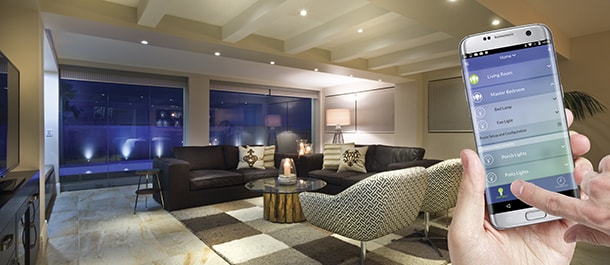
Modern home security cameras often integrate with smart home ecosystems, including devices like smart locks, lights, and voice assistants. Integration allows automation, such as triggering lights when motion is detected or arming the system remotely. For homeowners invested in smart home technology, ensuring compatibility is essential for selecting the best home security cameras.
Privacy and Data Security
Security cameras record sensitive data, so protecting this information is paramount. Choose cameras with end-to-end encryption, secure cloud storage, and strong authentication measures. Regular software updates are crucial to patch vulnerabilities and prevent unauthorized access. When researching the best home security cameras, prioritize manufacturers with a strong commitment to cybersecurity.
Maintenance and Longevity
Regular maintenance ensures your cameras continue to function optimally. Clean lenses, check connections, replace batteries when needed, and monitor storage capacity. Investing in durable cameras with weather-resistant housings and long-life components enhances reliability. The best home security cameras combine cutting-edge features with long-term durability to provide consistent protection.
Budget Considerations
High-end cameras offer advanced features, but it’s possible to find affordable systems that provide excellent security. Establish your budget while considering long-term costs, including cloud storage subscriptions, maintenance, and potential upgrades. Balancing cost with functionality ensures you select the best home security cameras that meet your needs without overspending.
Common Mistakes to Avoid
Homeowners often make errors when choosing and installing security cameras, compromising safety. Avoid placing cameras in blind spots, neglecting night vision requirements, or underestimating storage needs. Choosing cameras solely based on price can lead to poor video quality or unreliable performance. By understanding potential pitfalls, you can confidently select the best home security cameras and maintain an effective system.
Professional Installation vs. DIY
While many cameras are designed for DIY installation, professional installation offers several advantages. Experts ensure optimal placement, secure connections, and integration with other security systems. DIY installation may save costs but requires careful planning and technical know-how. Selecting the best home security cameras involves deciding whether professional assistance aligns with your goals, budget, and technical comfort level.
Emerging Technologies in Home Security Cameras
The landscape of home security cameras continues to evolve. Artificial intelligence (AI) enables facial recognition, object tracking, and behavioral analysis. Cloud-based analytics improve monitoring efficiency and reduce false alerts. Some cameras feature solar-powered options for sustainability and uninterrupted operation. Staying informed about emerging technologies ensures your best home security cameras remain effective and future-proof.
Comparing Top Brands and Models
Several manufacturers lead the home security camera market, each offering unique advantages. Research and compare models based on video quality, motion detection, storage options, integration capabilities, and user reviews. The best home security cameras combine reliability, advanced features, and positive feedback from verified users, helping you make a data-driven decision.
Conclusion
Choosing the best home security cameras for your home is a critical decision that requires careful evaluation of features, types, placement, and budget. From wired to wireless, indoor to outdoor, and basic to smart integrated systems, understanding your unique security needs ensures you make an informed choice. By focusing on video quality, night vision, motion detection, storage options, and data security, homeowners can create a robust security system that protects their property and provides peace of mind. Regular maintenance, strategic placement, and consideration of emerging technologies further enhance the effectiveness of your investment. With a thoughtful approach, you can confidently select the best home security cameras and create a safer, smarter home. For further information, please visit our main page.
Frequently Asked Questions
What features should I prioritize when choosing the best home security cameras?
When selecting the best home security cameras, prioritize high-definition video quality, night vision, reliable motion detection, two-way audio, and secure storage options. These features ensure effective monitoring and reliable evidence collection.
Are wireless cameras as reliable as wired cameras?
Wireless cameras offer convenience and flexibility but can be affected by Wi-Fi interference or battery limitations. Wired cameras generally provide more consistent performance and higher video quality. Your choice should depend on property layout and installation preferences.
How do I ensure my home security cameras protect my privacy?
Protect your privacy by choosing cameras with end-to-end encryption, secure cloud storage, strong passwords, and two-factor authentication. Regularly update firmware to prevent vulnerabilities and unauthorized access.
Can I integrate home security cameras with smart home devices?
Yes, many modern cameras integrate seamlessly with smart home systems. Integration allows automated responses, remote access, and alerts through devices like smart locks, lights, and voice assistants.
How do I maintain my home security cameras for long-term reliability?
Regular maintenance includes cleaning lenses, checking connections, replacing batteries, monitoring storage, and updating firmware. Ensuring proper placement and protecting outdoor cameras from harsh weather further enhances reliability.



More Stories
Best Seo Services In USA: Your Path to Better Rankings
Best Home Security Cameras With Weather Resistance
Best Home Security Cameras with Cloud Storage Features