
Understanding the Mediterranean Diet
Overview of the Mediterranean Diet Basics
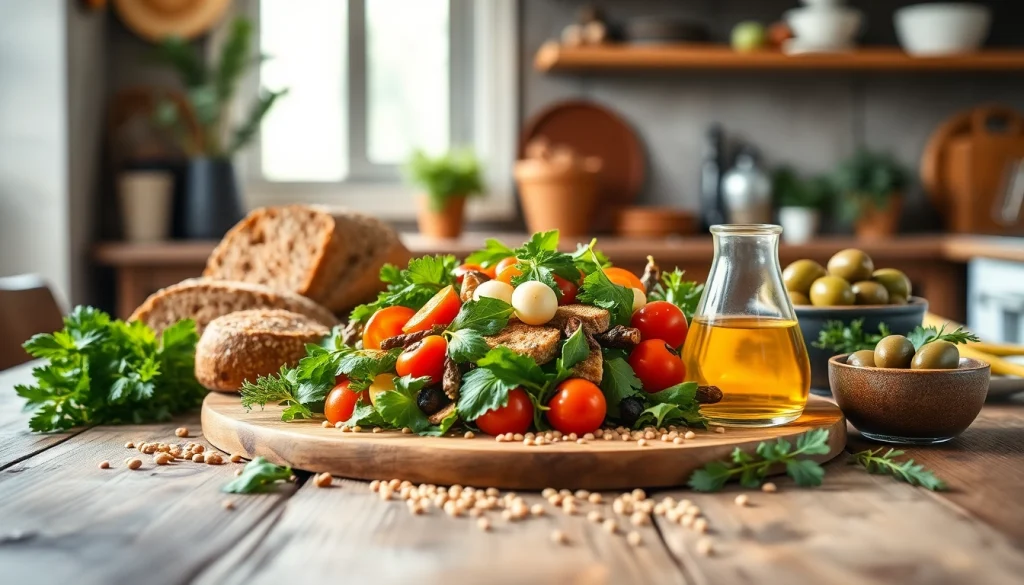
The mediterranean diet is more than just a set of eating guidelines; it’s a lifestyle that reflects the culinary traditions of countries bordering the Mediterranean Sea, including Greece, Italy, and Spain. This diet is primarily plant-based and emphasizes the consumption of whole, minimally processed foods. It supports a variety of food groups, focusing on fresh fruits, vegetables, whole grains, nuts, and legumes, while promoting healthy fats, particularly extra virgin olive oil, as the primary fat source.
This diet not only fosters a healthier approach to eating but also emphasizes the importance of enjoying meals with family and friends, underscoring the communal aspect of food in Mediterranean cultures. The philosophy behind this dietary approach leads to not only physical benefits but also promotes psychological wellbeing and social stability through shared meals.
Key Ingredients and Their Benefits
At the heart of the Mediterranean diet are several key ingredients, each contributing unique health benefits:
- Fruits and Vegetables: A colorful variety ensures an abundant intake of antioxidants, vitamins, and minerals that protect the body from chronic diseases.
- Whole Grains: Foods such as whole wheat, barley, and quinoa offer complex carbohydrates, fiber, and essential nutrients, promoting digestive health and stable blood sugar levels.
- Legumes and Nuts: Rich in protein, fiber, and healthy fats, these ingredients support heart health and provide satiety, which can assist in weight management.
- Seafood: High in omega-3 fatty acids, fish like salmon and sardines are essential for cardiovascular health and brain function.
- Olive Oil: The star of the Mediterranean diet, this healthy fat is packed with monounsaturated fats and antioxidants, reducing inflammation and promoting heart health.
Cultural Significance and Historical Roots
The Mediterranean diet is deeply rooted in history, reflecting the agricultural practices and culinary heritages of various peoples around the Mediterranean Sea. This diet evolved through centuries of culinary experimentation and adaptation, influenced by trade, geography, and economics. It combines not only dietary practices but also cultural traditions, emphasizing the joy of sharing food.
Historically, Mediterranean regions experienced agricultural advancements, leading to the cultivation of rich foods that are now staples in their diets. The preservation and enhancement of these traditional practices not only contribute to the diet’s effectiveness in promoting health but also play a significant role in cultural identity and heritage.
Health Benefits of the Mediterranean Diet
Impact on Heart Health
One of the most remarkable aspects of the Mediterranean diet is its profound impact on heart health. Numerous studies have demonstrated that following this dietary pattern significantly reduces the risk of cardiovascular diseases. The combination of consuming healthy fats from olive oil and fish along with an abundance of fruits and vegetables leads to improved cholesterol levels and reduced blood pressure.
For instance, a meta-analysis from various studies shows that individuals adhering to the Mediterranean dietary guidelines had a 30% lower risk of coronary artery disease compared to those who did not follow such a diet. The synergistic effect of olive oil, nuts, and fish rich in omega-3 fatty acids plays an integral role in these cardiovascular benefits.
Benefits for Weight Management
The Mediterranean diet can also be an effective ally in weight management. Unlike restrictive diets that often lead to yo-yo dieting and frustration, the Mediterranean approach encourages the consumption of filling, nutrient-dense foods. The high fiber content from fruits, vegetables, and whole grains contributes to feelings of fullness, helping individuals manage their caloric intake without feeling deprived.
Research indicates that people who follow the Mediterranean diet tend to have a healthier body weight and body mass index (BMI) compared to others. The focus on wholesome, less processed foods minimizes the chances of overeating, making it a sustainable choice for long-term weight management.
Research Findings on Longevity
Research into the Mediterranean diet has consistently shown a connection between this way of eating and increased longevity. Studies indicate that populations that adhere to Mediterranean dietary patterns enjoy lower rates of chronic diseases such as obesity, diabetes, and certain types of cancer, which collectively contribute to a longer lifespan.
For example, a longitudinal study observed that individuals who closely followed the Mediterranean diet had a 20% reduced risk of premature mortality compared to those who did not. This diet’s emphasis on anti-inflammatory foods, antioxidant-rich ingredients, and the social aspects of dining all work together to foster both physical and emotional health.
Meal Planning for the Mediterranean Diet
Creating Balanced Meals
Planning balanced meals within the Mediterranean diet framework involves a few simple principles. Every meal should prioritize plant-based foods, lean protein sources, and healthy fats. Here’s a breakdown of how to structure your meals:
- Half your plate: should be filled with fruits and vegetables. Aim for a colorful variety that provides a range of nutrients.
- One quarter of your plate: should be whole grains, such as brown rice, quinoa, or whole grain pasta, providing fiber and energy.
- One quarter of your plate: should consist of healthy protein sources, which can include fish, poultry, legumes, or nuts.
- Add healthy fats: like olive oil, to dress salads, cook with, or drizzle over vegetables and grains.
This balanced approach not only ensures nutrient adequacy but also creates meals that are satisfying and enjoyable.
Sample Weekly Meal Plan
To help you get started, here’s a sample weekly meal plan that embodies the Mediterranean diet:
Day 1
- Breakfast: Greek yogurt with honey and walnuts
- Lunch: Quinoa salad with chickpeas, cucumbers, and feta cheese
- Dinner: Grilled salmon with a side of roasted vegetables
Day 2
- Breakfast: Oatmeal topped with fresh berries and almonds
- Lunch: Hummus and vegetable wrap using whole grain pita
- Dinner: Chicken sautéed in olive oil served with brown rice and steamed broccoli
Day 3
- Breakfast: Smoothie with spinach, banana, and Greek yogurt
- Lunch: Lentil soup with a slice of whole grain bread
- Dinner: Shrimp paella with mixed vegetables
This can be repeated and modified throughout the week, incorporating various recipes and ingredients to keep meals exciting and diverse.
Grocery Shopping Tips
Shopping for the Mediterranean diet revolves around filling your cart with whole, healthy ingredients. Here are some practical tips:
- Make a list: Prioritize fresh fruits and vegetables, whole grains, lean proteins, and healthy fats. Having a list prepares you to avoid impulsive, unhealthy purchases.
- Shop the perimeter: Most grocery stores have fresh produce, dairy, and meats around the perimeter, while processed foods dominate the center aisles. Stick to the edges for healthier choices.
- Opt for seasonal produce: Seasonal fruits and vegetables are typically fresher, tastier, and more affordable. Visit local farmers’ markets or consider subscription services for fresh delivery.
- Buy in bulk: Staple items like nuts, beans, and grains can be bought in bulk to save money and reduce packaging.
Common Challenges and Solutions
Adapting to a New Eating Pattern
Transitioning to the Mediterranean diet may bring challenges for those accustomed to different dietary patterns. Here are strategies to ease the shift:
- Gradual changes: Start by slowly incorporating more whole foods and plant-based meals into your routine rather than cutting out everything at once.
- Experiment: Try new recipes and ingredients to keep your meals interesting and enjoyable.
- Batch cooking: Prepare meals in advance to make it easier to stick to the diet when you’re busy.
Navigating Social Situations
Eating out or attending social gatherings can pose challenges. Here’s how to stay aligned with your Mediterranean diet goals:
- Choose wisely: Look for menu items that align with Mediterranean principles, such as salads, grilled proteins, and vegetable-based dishes.
- Be prepared: If you’re invited to a gathering, consider bringing a dish that fits within the Mediterranean framework to share with others.
- Practice moderation: It’s okay to indulge occasionally. Enjoy meals with friends while maintaining balance in your overall dietary choices.
Overcoming Budget Constraints
Anyone concerned about a tight budget can still enjoy the Mediterranean diet. Here are cost-effective strategies:
- Focus on plant-based proteins: Beans, lentils, and legumes are not only nutritious but also less expensive than meat and fish.
- Prepare meals at home: Cooking at home allows you to control ingredients and costs while enjoying the benefits of fresh meals.
- Plan meals and use leftovers: Efficient meal planning helps minimize waste and maximize the use of seasonal and on-sale ingredients.
Success Stories and Recipes
Real-life Transformations
Many individuals have transformed their health and lifestyle by adopting the Mediterranean diet. Success stories often illustrate significant weight loss, improved overall health markers, and enhanced emotional well-being. Participants in research promoting this diet report feelings of increased energy, better mood, and enhanced cognitive function.
For instance, one group studying a decades-long adherence to the Mediterranean diet reported better management of chronic diseases and a collective sentiment of increased happiness and fulfillment resulting from the diet’s emphasis on social dining and community.
Top Mediterranean Diet Recipes
Here are a few must-try recipes to get you started:
Chickpea Salad
A refreshing salad combining chickpeas, diced cucumbers, tomatoes, red onion, parsley, and a dressing of olive oil, lemon juice, and salt. It’s packed with proteins and flavors.
Grilled Vegetable Platter
This dish features seasonal vegetables like zucchini, bell peppers, and eggplant, brushed with olive oil, seasoned with herbs and grilled to perfection.
Traditional Hummus
Blend chickpeas, tahini, garlic, lemon juice, and olive oil for a dip that’s high in protein and completely delicious. Serve with a variety of sliced vegetables.
Cooking Techniques for Flavorful Dishes
To create authentic Mediterranean flavors, consider the following cooking techniques:
- Grilling: Imparts a distinct flavor while keeping meats and vegetables healthy and juicy.
- Sautéing: Use olive oil for sautéing vegetables and proteins, ensuring flavors meld beautifully without added fats.
- Roasting: A perfect way to bring out the natural sweetness of vegetables, especially root varieties.
- Slow cooking: Ideal for stews and dishes that benefit from the melding of flavors over time.
Embracing these techniques not only enhances the taste of the meals but aligns with the Mediterranean philosophy of enjoying and appreciating the art of cooking.