
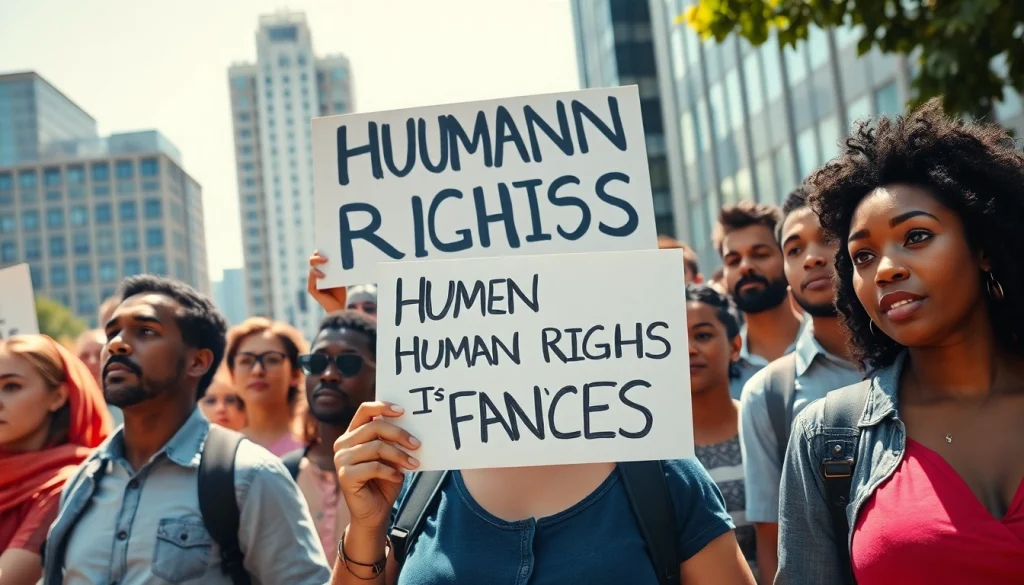
Understanding Human Rights: A Fundamental Overview
The concept of Human Rights is central to discussions about dignity, equality, and justice. Understanding this framework is essential in fostering a society that respects and upholds the rights of all individuals. Human rights serve as universal norms that should guide both individual behavior and governmental policies around the globe, ensuring every person is afforded freedom, safety, and recognition.
The Definition of Human Rights
Human rights encompass the fundamental rights and freedoms that inherently belong to every individual, regardless of nationality, sex, ethnicity, religion, or any other status. They include political, civil, economic, social, and cultural rights, and are intrinsically linked to ensuring the dignity of all human beings. The primary principles underlying human rights include universality, inalienability, interdependence, and indivisibility.
History and Evolution of Human Rights
The notion of human rights has evolved significantly over centuries. Its roots can be traced back to ancient philosophies and religions which proposed inherent rights to life and liberty. Significant milestones include the Magna Carta, the U.S. Declaration of Independence, and the French Revolution, each contributing to the idea that individuals have rights that governments are bound to respect.
The modern framework for human rights was shaped in the aftermath of World War II, leading to the establishment of the Universal Declaration of Human Rights in 1948 by the United Nations. This document consolidated various principles into a single text, advocating for rights that encompass personal, political, social, and economic domains.
The Importance of Human Rights in Society
Human rights play a crucial role in promoting justice and equality. They foster safe and inclusive environments where individuals can thrive free from discrimination or oppression. The emphasis on human rights supports social cohesion and stability, as societies that prioritize the rights of their citizens tend to be more prosperous and harmonious.
Moreover, the enforcement and promotion of human rights encourage accountability and transparency in governance. They empower individuals by affirming their right to participate in political and civic life, thereby enhancing democratic governance.
The Challenges to Human Rights Today
Despite the established recognition of human rights, numerous challenges persist around the globe. Violations of human rights occur in various forms and often stem from systemic issues entrenched in political, social, or economic structures.
Common Violations of Human Rights
Common human rights violations include restrictions on freedom of speech, arbitrary detention, torture, discrimination based on ethnicity or gender, and the right to a fair trial. These violations undermine individual dignity and can lead to widespread societal unrest.
In many regions, marginalized communities are disproportionately affected by systemic injustices. Ensuring that human rights are respected requires vigilance and continuous advocacy to hold violators accountable.
The Role of Governments in Human Rights Protection
Governments play a pivotal role in safeguarding human rights through the creation and enforcement of laws that protect these rights. They are obligated to provide justice and remedy for victims of human rights abuses.
However, in numerous cases, governments have been the perpetrators of human rights violations. This contradiction necessitates the presence of independent human rights organizations and civil society groups that can call attention to governmental abuses and advocate for change.
How Social Media Impacts Human Rights Awareness
Social media has emerged as a powerful tool for raising awareness of human rights issues. Platforms like Twitter, Facebook, and Instagram are used to document abuses, mobilize support, and promote advocacy campaigns. The immediacy of social media facilitates rapid dissemination of information and can lead to global outcry, as seen in movements like #MeToo and Black Lives Matter.
However, social media can also present challenges, as it can perpetuate misinformation and lead to polarization. Hence, it is essential that activists use these platforms thoughtfully to promote constructive dialogue and engagement.
Effective Advocacy for Human Rights
Advocating for human rights requires strategic planning, collective action, and a deep commitment to the rights of others. Successful advocacy initiatives can lead to substantive change within communities and beyond.
Grassroots Movements and Their Impact
Grassroots movements have historically played a critical role in advancing human rights. These movements often begin at the local level, powered by community members who are passionate about change. They can effectively mobilize support, build networks, and put pressure on authorities to respect human rights.
One notable example is the Civil Rights Movement in the United States, which utilized grassroots mobilization to combat racial segregation and discrimination. Such movements demonstrate that collective action can lead to significant national and international reforms.
Using Education as a Tool for Change
Education is pivotal in fostering awareness and understanding of human rights. By educating individuals about their rights, communities empower themselves to advocate effectively against injustices. Educational programs in schools and communities that focus on human rights can create a culture of respect and awareness.
Moreover, educational institutions can serve as venues for discussion and dialogue on critical issues, enabling the next generation to engage with human rights issues thoughtfully.
The Role of Non-Governmental Organizations in Advocacy
Non-governmental organizations (NGOs) play a vital role in human rights advocacy. They often bridge the gap between communities and policymakers, providing vital resources, research, and support for victims of rights violations.
NGOs can conduct independent investigations, publish reports on human rights abuses, and engage in international advocacy to hold violators accountable. Their work is crucial in ensuring that marginalized voices are heard and respected within the broader discourse on human rights.
Measuring Success in Human Rights Initiatives
To effectively advocate for human rights, it is essential to measure the impact of initiatives and campaigns. Establishing clear metrics for success allows advocates to assess what strategies work and where improvements can be made.
Key Performance Indicators for Human Rights Campaigns
Measuring the success of human rights advocacy involves examining various performance indicators. Key metrics may include the number of cases addressed, public engagement rates, legislative changes achieved, and the level of community awareness surrounding human rights issues.
Gathering data on these indicators can provide insight into the effectiveness of advocacy strategies and guide future efforts to enhance impact.
Success Stories: What Works in Human Rights Advocacy
Highlighting success stories is essential in human rights advocacy. Case studies of successful initiatives can provide valuable lessons and inspire others. For example, the efforts of non-profits focused on human trafficking have greatly raised awareness and led to legislative changes in numerous countries around the globe.
These narratives not only showcase the power of collective action but also underline strategies that can be replicated to achieve similar outcomes.
Evaluating Long-Term Impact of Human Rights Efforts
The long-term impact of human rights initiatives should be evaluated through both quantitative and qualitative assessments. Tracking changes in community attitudes, rates of human rights violations, and improving policies over time is key to understanding the lasting effects of advocacy efforts.
Continual evaluation enables advocacy groups to adapt their strategies, ensuring they remain effective in tackling the evolving challenges surrounding human rights.
FAQs About Human Rights Advocacy
What are the primary goals of Human Rights advocacy?
The primary goals include raising awareness, protecting individuals’ rights, and promoting equality through activism and education.
How can individuals participate in Human Rights efforts?
Individuals can engage by volunteering, donating to causes, participating in campaigns, or educating themselves and others about human rights issues.
Why is education vital in Human Rights initiatives?
Education increases awareness and empowers individuals to understand their rights, encouraging them to advocate for themselves and others.
What role do governments play in Human Rights?
Governments are responsible for enforcing laws that protect rights and ensuring accountability for violations through appropriate legal channels.
How can social media be used for Human Rights?
Social media serves as a platform to raise awareness, mobilize support, and create dialogue around human rights violations and promotions.