




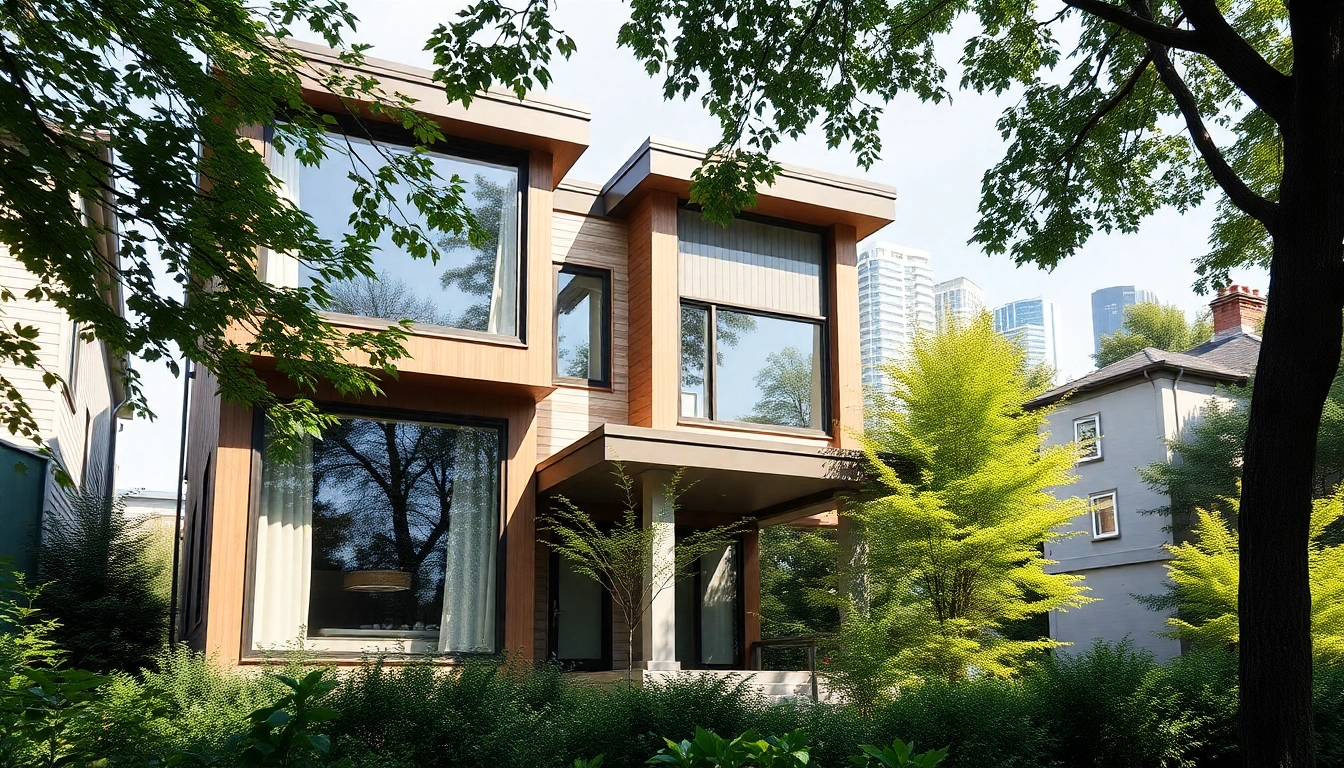
Understanding the Role of a Boston Residential Architecture Firm
Defining Residential Architecture
Residential architecture refers to the design and construction of homes and other living spaces. It encompasses various styles, materials, and techniques, aimed at creating homes that not only meet functional needs but also reflect the culture and preferences of the inhabitants. A successfully designed home is a culmination of aesthetics, safety, and sustainability, created to cater to the modern lifestyle while retaining an individual charm.
Why Choose a Boston Residential Architecture Firm?
Choosing a Boston residential architecture firm ensures that homeowners engage with professionals who understand the local culture, climate, and regulatory environment. Boston’s rich architectural history adds a unique flavor to residential projects and presents an opportunity for innovative design within the context of preservation. Furthermore, local firms offer insights into the best practices associated with building in the region, such as energy efficiency, use of native materials, and culturally relevant design elements.
Core Services Offered by Residential Architects
Residential architects provide a myriad of services that extend beyond merely drafting blueprints. These services include:
- Design Consultation: Engaging with clients to understand their needs, preferences, and lifestyle.
- Site Analysis: Evaluating the chosen site to inform design decisions related to topography, orientation, and accessibility.
- Conceptual Design: Creating initial sketches and ideas that meld form with function.
- Construction Documentation: Preparing detailed drawings and specifications to guide contractors during the build phase.
- Project Management: Overseeing the entire construction process to ensure adherence to design and budget.
Key Trends in Boston Residential Architecture
Sustainable Design Practices in Boston
As environmental concerns become increasingly prominent, sustainable design practices have taken center stage in Boston residential architecture. These practices may include:
- Energy-efficient Systems: Utilizing solar panels, high-performance insulation, and ENERGY STAR-rated appliances.
- Green Materials: Emphasizing the use of recycled, reclaimed, and locally sourced materials to minimize impact.
- Water Conservation: Designing systems that reduce water usage, including rainwater harvesting and low-flow fixtures.
Moreover, sustainable architectural designs often focus on maximizing natural light and ventilation, which contributes to energy savings and enhances the overall quality of living space.
Integrating Modern Technology in Home Design
Modern technology has revolutionized the way residential spaces are designed and constructed. Innovations such as 3D modeling, virtual reality, and Building Information Modeling (BIM) allow architects to create more accurate designs and facilitate collaboration with clients. Smart home technologies are also increasingly prevalent, with homeowners seeking to incorporate automation systems for lighting, security, and energy management into their designs.
Emphasizing Community and Contextual Architecture
In Boston, where history and community play a significant role in the urban landscape, contextual architecture has become essential. Architects often design homes that not only respond to the needs of individual homeowners but also honor the local heritage. This approach entails using architectural styles and materials that are consistent with the surrounding neighborhood, fostering a sense of place and community cohesion.
Challenges Faced by Homeowners in Boston
Navigating Local Building Regulations
Boston is replete with zoning laws, building codes, and preservation regulations that can create hurdles for homeowners. An experienced Boston residential architecture firm can play a critical role in navigating these complex requirements, ensuring that designs adhere to necessary guidelines while minimizing delays during the approval process.
Budgeting for Residential Projects
Financial management is a significant aspect of any residential project. Homeowners in Boston often face the challenge of balancing their design aspirations with budget constraints. A clear understanding of factors such as materials, labor costs, and contingency funds is vital. Engaging a knowledgeable architect can aid in creating a realistic budget and enhancing cost-efficiency throughout the project lifecycle.
Ensuring Quality Craftsmanship
Quality craftsmanship is essential for creating lasting residential structures. Homeowners should consider working with trusted contractors and specialists who have a proven track record in residential construction. Architects can facilitate the selection of reputable builders and help maintain high standards of quality by overseeing the construction process.
The Design Process: From Concept to Completion
Initial Consultation and Needs Assessment
The design process typically begins with an initial consultation, where the architect gathers information about the homeowner’s desires, needs, and spatial requirements. This assessment involves discussing the homeowner’s lifestyle, family dynamics, and personal style preferences to create a tailored approach that guides all subsequent design stages.
Creating Preliminary Designs
Following the needs assessment, the architect will generate preliminary designs that reflect the client’s vision. These designs consider not only aesthetics but also functional aspects such as traffic flow, room dimensions, and natural light. Utilizing 3D renderings and models can help homeowners visualize their future homes and provide valuable feedback for revisions before moving to the final design.
Finalizing the Project: Reviews and Approvals
Once the preliminary designs meet homeowner approval, the architect prepares detailed construction documents. This stage often includes obtaining necessary permits and approvals from local authorities. Clear communication between homeowners, architects, and contractors is critical during this phase to address questions and confirm adherence to design intent.
Frequently Asked Questions about Boston Residential Architecture
What is the typical timeline for a residential project?
The timeline varies but typically ranges from several months to over a year, depending on the project’s complexity.
How can I ensure my design meets local regulations?
Partnering with a Boston residential architecture firm helps to navigate local codes and ensure compliance throughout the process.
What should I consider when setting a budget?
Consider design preferences, material choices, size of the project, and unexpected expenses that might arise during construction.
Can I combine modern and traditional design elements?
Yes, many homeowners choose to blend these styles, creating a unique aesthetic that reflects personal preferences.
What are sustainable options in residential design?
Sustainable options include energy-efficient appliances, sustainable materials, and designs that maximize natural light and ventilation.




More Stories
Key Insights into American Standard Heat Pumps for Optimal Home Comfort
Choosing the Perfect Steel Sink for Your Kitchen: Key Considerations and Benefits
Revitalize Your Home with Elegant Showers Australia