
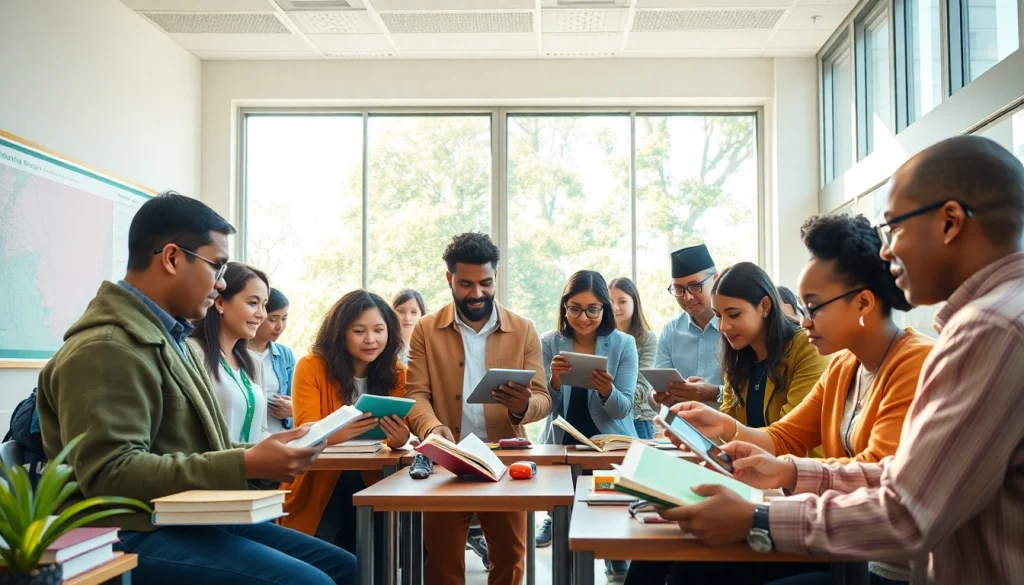
The Importance of Education in Society
Education serves as a pivotal foundation for personal development and societal advancement. It goes beyond mere knowledge acquisition; it shapes character, fosters critical thinking, and encourages civic engagement. In our rapidly evolving world, the necessity for a comprehensive understanding of education has never been clearer, as we seek to navigate complex social challenges and promote equitable access for all individuals.
Defining Education: Beyond the Basics
Education can be defined as a systematic process through which knowledge, skills, values, and beliefs are transmitted from one generation to another. However, this definition only scratches the surface. Modern education encompasses both formal and informal learning experiences, recognizing the importance of socialization and cultural transmission. It is essential to understand that education is not just about academic achievement; it also involves nurturing emotional intelligence, resilience, and a sense of belonging.
The Role of Education in Promoting Equity
Education plays a crucial role in leveling the playing field for marginalized communities. It has the potential to address systemic inequities and empower individuals to break cycles of poverty. By promoting inclusivity and diversity, education can facilitate greater social mobility and help create opportunities for those who have long been underserved. Policies focused on education equity aim to eliminate barriers that prevent access to quality education, thereby fostering a more just society.
Historical Perspectives on Education Reform
Throughout history, education reform has been a contentious and transformative force. Key movements, such as the Progressive Education Movement in the early 20th century, emphasized experiential learning and critical inquiry. In recent decades, there has been a shift towards standardized testing and accountability measures, which has sparked debate about their efficacy. Understanding these historical contexts is vital for informing current reform efforts and envisioning future innovations.
Key Challenges in Modern Education
Despite its importance, modern education systems face several entrenched challenges. Addressing these issues is essential for creating effective, equitable educational experiences for all students.
Barriers to Access: Understanding Inequities
Many students continue to face barriers that hinder their educational success. Factors such as socioeconomic status, geographic location, and racial disparities play significant roles in determining access to quality education. Schools in underfunded districts often struggle to provide essential resources, experienced teachers, and safe learning environments. Recognizing and addressing these disparities is crucial for fostering equitable educational opportunities.
Misconceptions About Education Reform
Education reform is often met with resistance due to misconceptions about its implications and effectiveness. Common myths include the belief that standardization always leads to improved outcomes or that educational technology alone can solve deep-rooted issues. By critically examining these myths, stakeholders can better understand the necessary changes that need to be made to enhance the educational landscape.
Navigating Policy Changes and Their Impacts
Education policy is constantly evolving, influenced by political climates, economic factors, and societal needs. Understanding the impacts of these policies on students, teachers, and communities is essential for effective advocacy. Engaging in informed discussions and collaborating with various stakeholders can lead to more effective and inclusive educational policies that reflect the needs of all constituents.
Innovative Teaching Approaches for 2026
As we approach 2026, innovative teaching approaches will be essential to address the diverse needs of learners in our increasingly complex world. These methodologies aim to enhance engagement, promote critical thinking, and prepare students for future challenges.
Integrating Technology in the Classroom
Technology has the potential to revolutionize education by providing access to a wealth of information and resources. Incorporating digital tools and platforms can enhance student engagement and facilitate personalized learning experiences. However, it is important to remember that technology should complement, not replace, effective teaching practices.
Personalized Learning: Meeting Diverse Needs
Personalized learning recognizes that each student has unique strengths, challenges, and interests. By tailoring instruction to meet individual needs, educators can foster a deeper understanding of subjects and a more meaningful learning experience. This approach also encourages students to take ownership of their education, leading to greater motivation and success.
Collaborative Learning Environments
Creating collaborative learning environments promotes teamwork, communication, and problem-solving skills. Encouraging students to work together on projects or during discussions can foster a sense of community and enhance the learning experience. This approach not only prepares students for real-world challenges but also encourages empathy and understanding among peers.
Best Practices for Advocating Education Reform
Successful education reform requires strategic planning, community engagement, and a commitment to equity. Advocates must work collaboratively to address the many layers of challenges within the education system.
Building Community Support for Education Equity
Engaging the community in discussions about education equity is essential for building support for reform efforts. Hosting workshops, forums, and community meetings can help raise awareness about the importance of equitable access to education and mobilize local support for initiatives that promote positive change.
Engaging Stakeholders in Reform Efforts
Stakeholders, including educators, parents, students, and policymakers, play a critical role in the success of education reform. Establishing partnerships and fostering open communication among these groups can lead to more effective and sustainable reforms. Collaboration ensures that the voices of those most affected by educational policies are heard and considered in decision-making processes.
Measuring Success: Metrics and Indicators
To effectively evaluate the success of education reform initiatives, it is crucial to establish clear metrics and indicators. These may include academic performance, graduation rates, and student engagement levels. By regularly assessing progress and making data-driven decisions, educators and policymakers can ensure that reforms are meeting their intended goals and making a meaningful impact.
Future Trends in Education
Looking forward, several trends are poised to shape education over the next decade. Understanding these trends can help educators, policymakers, and advocates prepare for the future of teaching and learning.
Predictions for the Next Decade in Education
As we approach 2030, we can expect continued advancements in technology, a greater focus on mental health and well-being, and an emphasis on developing essential soft skills for future employment. These trends will require educators to adapt their teaching methods and curricula to prepare students for a rapidly changing job market.
The Impact of Global Events on Education Systems
Global events, such as pandemics, economic shifts, and climate change, will undoubtedly impact education systems worldwide. Schools must develop resilience and adaptability to respond to these changes effectively. This may involve adopting flexible learning models, embracing hybrid classroom environments, and prioritizing student mental health and well-being.
Preparing for the Future: Skills for Tomorrow’s Learners
To prepare students for the future, education must focus on developing critical thinking, creativity, collaboration, and digital literacy skills. These competencies will be essential for success in an increasingly interconnected and technologically-driven world. By prioritizing a well-rounded education that encompasses these skills, we can empower future generations to thrive in an ever-evolving landscape.